The Battery Management System (BMS) is the core control system of the
battery pack, responsible for monitoring, protecting and optimizing battery performance to ensure its safe, reliable and efficient operation.
The core functions of a BMS can be divided into the following categories:
1. Status monitoring: real-time collection of battery voltage, current, temperature and other data.
2. State assessment: Calculate key parameters of the battery, such as state of charge (SOC), state of health (SOH), and state of power (SOP).
3. Charge and discharge control: manage the battery's charge and discharge process to prevent overcharge, overdischarge, and overcurrent.
4. Thermal management: Monitor and regulate battery temperature to prevent thermal runaway.
5. Balance management: ensure the consistency of single cells in the battery pack.
6. Fault diagnosis and protection: detect anomalies and take protective measures.
7. Data Logging and Communication: Log operational data and communicate with external systems.
8. Safety management: ensuring battery safety under extreme conditions.
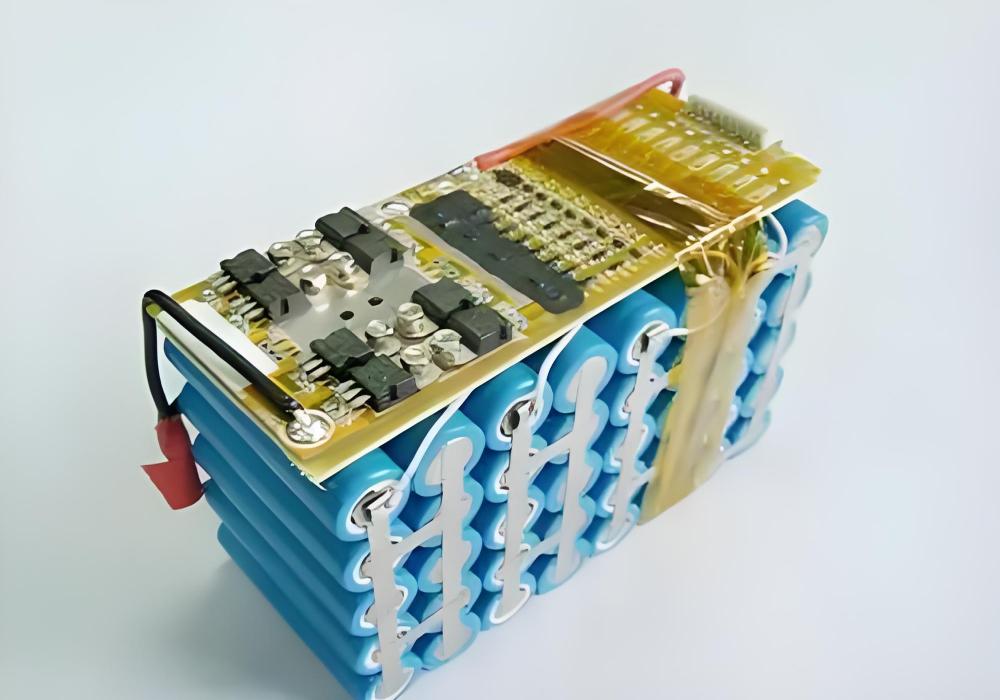
BMS is the "brain" of the battery pack, ensuring the safe and efficient operation of the battery pack through real-time monitoring, status evaluation, charge and discharge control, thermal management, balance management, fault diagnosis and other functions. With the advancement of technology, BMS will develop in the direction of high precision, intelligence and integration, providing stronger support for new energy vehicles, energy storage systems and other fields.

 EVE Energy Showcases Energy Solutions at 2026 World UAV Expo
 240 pcs of CATL 3.2V 104Ah LiFePo4 batteries to Australia
 Sodium Ion Battery: The Emerging Energy Storage Solution for Global ESS & EV Projects
 Adapting the i-MiEV Battery Pack for 93Ah NMC Cell Integration
