China is accelerating the construction of a new power system. The main features of the new power system include:
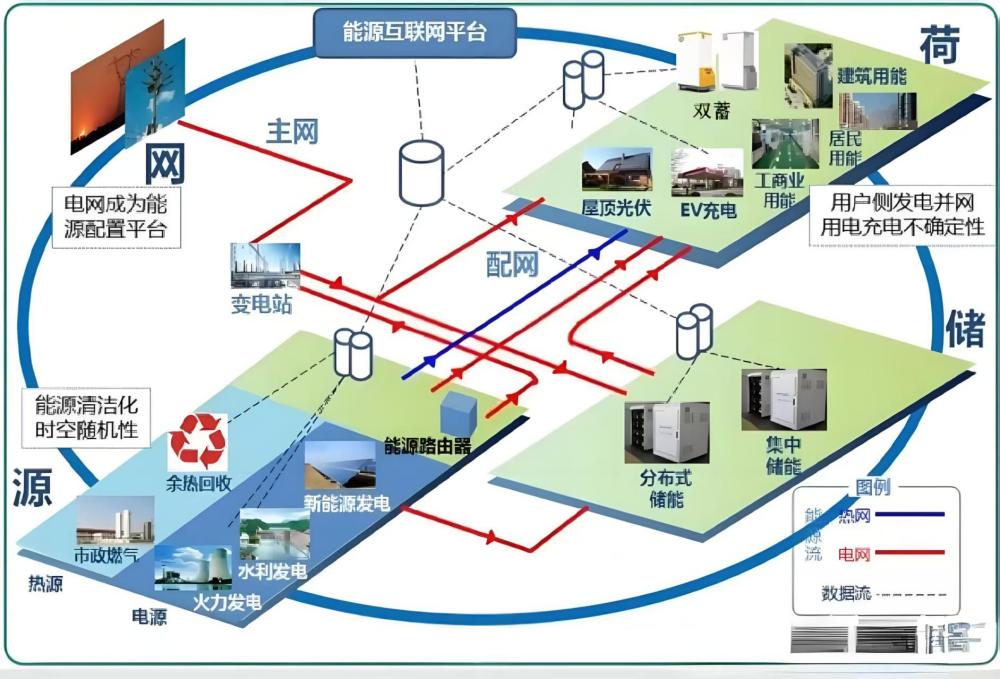 ① New energy as the main body:
 large-scale wind power, solar energy and other renewable energy sources have become the main force of power supply, gradually replacing traditional fossil energy.
② Build a smart grid: optimize grid dispatching through advanced power electronics technology, sensor technology and artificial intelligence to achieve supply and demand balance.
③ Multi-energy complementation to enhance power flexibility:Comprehensively utilize
energy storage, electric vehicles, pumped storage, hydrogen energy and other methods to improve the regulation capacity of the power system.
④ Build a distributed energy system:
Encourage the construction of distributed energy such as photovoltaic, energy storage, and microgrids on the user side to achieve local energy self-generation and self-use and reduce dependence on large power grids.
⑤ Strengthen demand-side management:
Guide users to actively adjust their power loads, such as through smart homes, time-of-use electricity prices, virtual power plants, etc., to achieve interaction between the power grid and users.
⑥ Build a national unified power market:Promote the marketization of power transactions, optimize resource allocation, and improve the ability to absorb new energy.
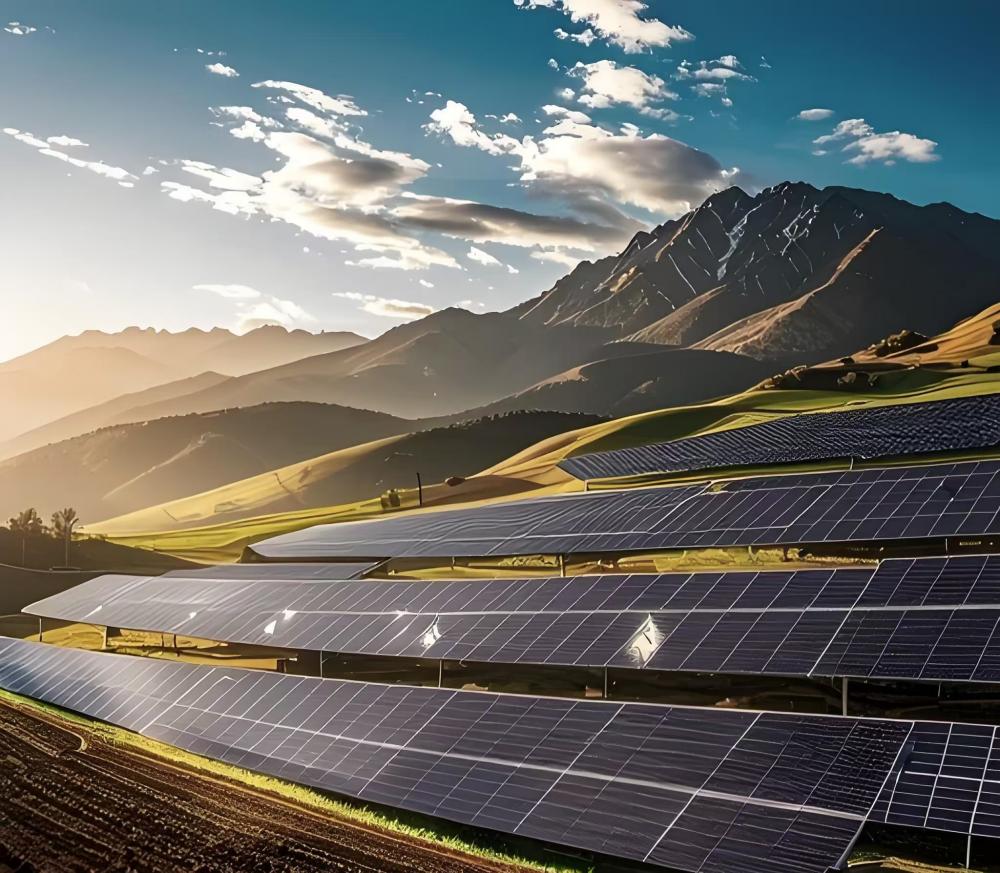
The construction of a new power system from 2024 to 2027 is one of the important means for my country to solve the bottleneck of new energy development at this stage, and it is also the core support for building a green and low-carbon energy system. It not only requires technological innovation, including breakthroughs in power electronics, energy storage, and intelligent dispatching, but also requires the improvement of market mechanisms and policy environments. By building smart grids, enhancing energy storage capabilities, and deepening market reforms, we can accelerate the implementation of new power systems and achieve energy structure transformation under the "dual carbon" goal.

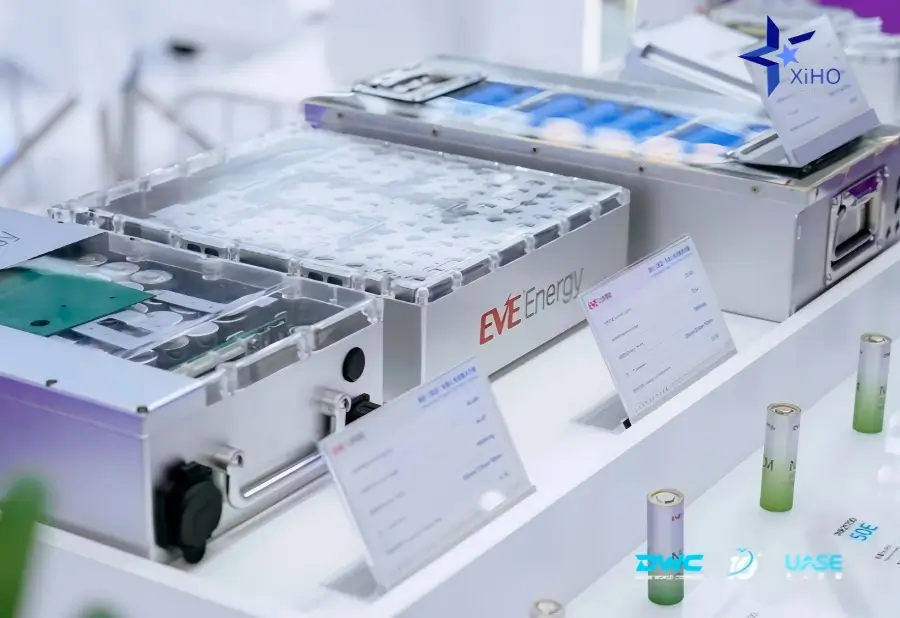 EVE Energy Showcases Energy Solutions at 2026 World UAV Expo
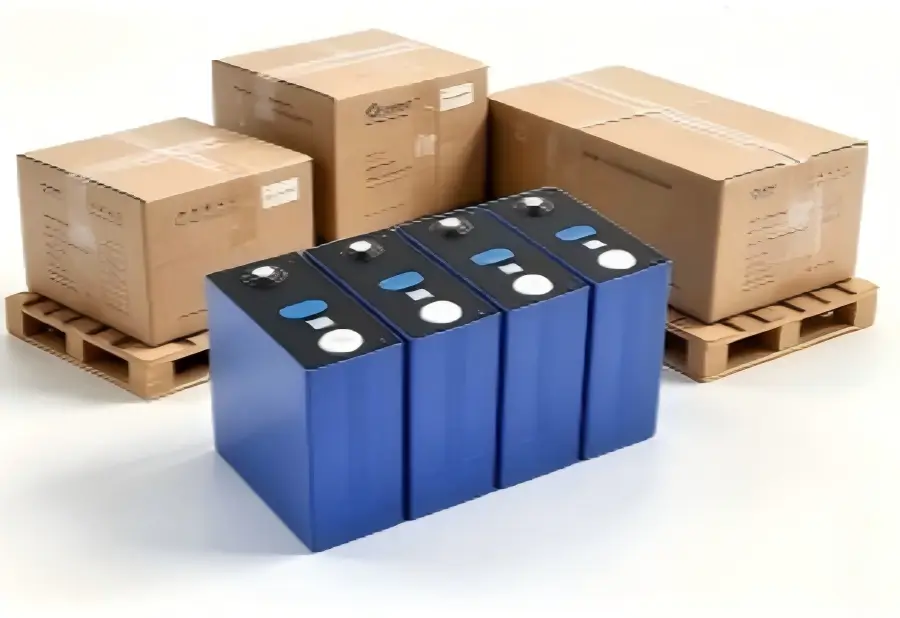
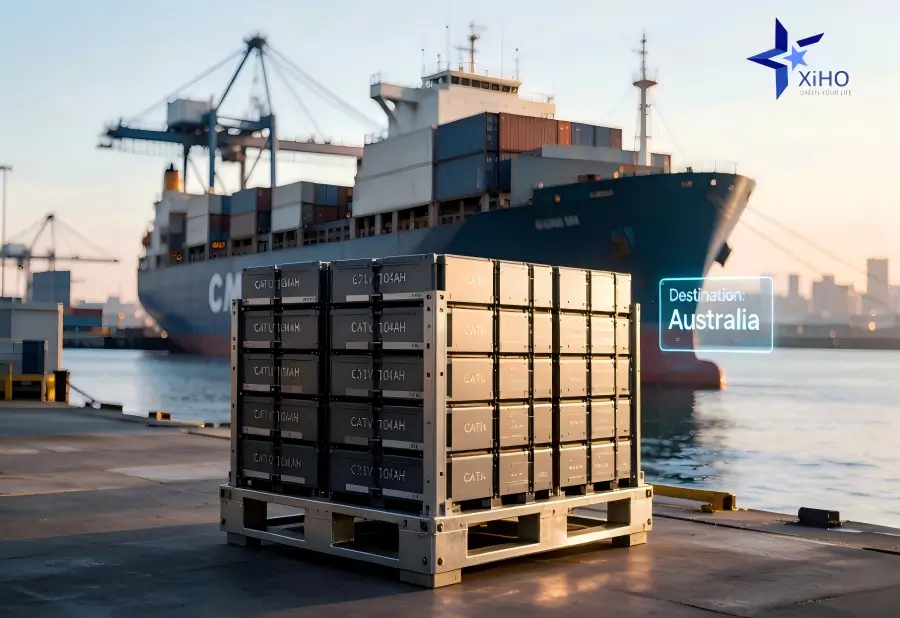 240 pcs of CATL 3.2V 104Ah LiFePo4 batteries to Australia
 Sodium Ion Battery: The Emerging Energy Storage Solution for Global ESS & EV Projects
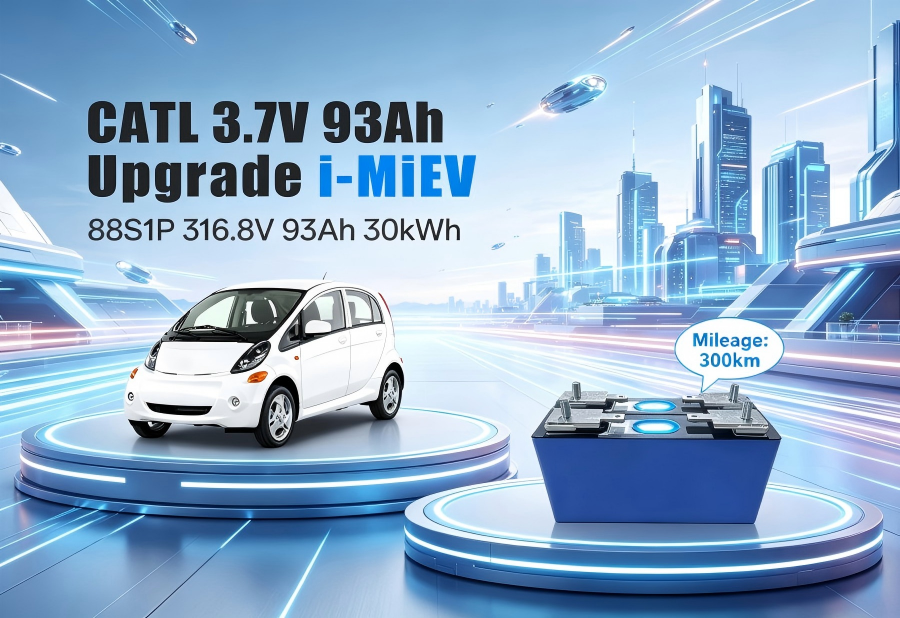 Adapting the i-MiEV Battery Pack for 93Ah NMC Cell Integration
