What Is a Sodium Ion Battery?
A Sodium Ion Battery operates on the same fundamental principle as a lithium-ion battery: energy is stored and released through the movement of ions between a cathode and an anode. In this case, the active ions are sodium (Na⁺) rather than lithium (Li⁺). During charging, sodium ions migrate from the cathode to the anode; during discharge, they return to the cathode, generating an electric current.
While the electrochemical mechanism is similar, the materials differ significantly. Sodium-ion systems often use layered metal oxides (e.g., iron, manganese, or nickel-based compounds) for the cathode and hard carbon for the anode. Unlike lithium, sodium is abundant in the Earth’s crust, making it a more sustainable and cost-effective choice for large-scale applications.
Key Advantages of Sodium Ion Batteries for B2B Applications
For businesses evaluating energy storage solutions, Sodium Ion Batteries offer several distinct advantages over traditional chemistries:
1. Abundant Raw Materials & Cost Stability
Sodium is one of the most plentiful elements on Earth, found in vast deposits of salt (sodium chloride) and other minerals. This abundance eliminates concerns about supply chain volatility, unlike lithium, which relies on concentrated sources in a few regions. For large-scale projects, this translates to more predictable pricing and reduced exposure to geopolitical risks.
2. Enhanced Safety Profile
Sodium-ion cells typically operate at lower voltages than lithium-ion counterparts, reducing the risk of thermal runaway. Their chemical stability also makes them less prone to overheating or fire, even under extreme conditions. This safety advantage is critical for stationary storage systems, especially in urban or industrial settings where safety regulations are strict.
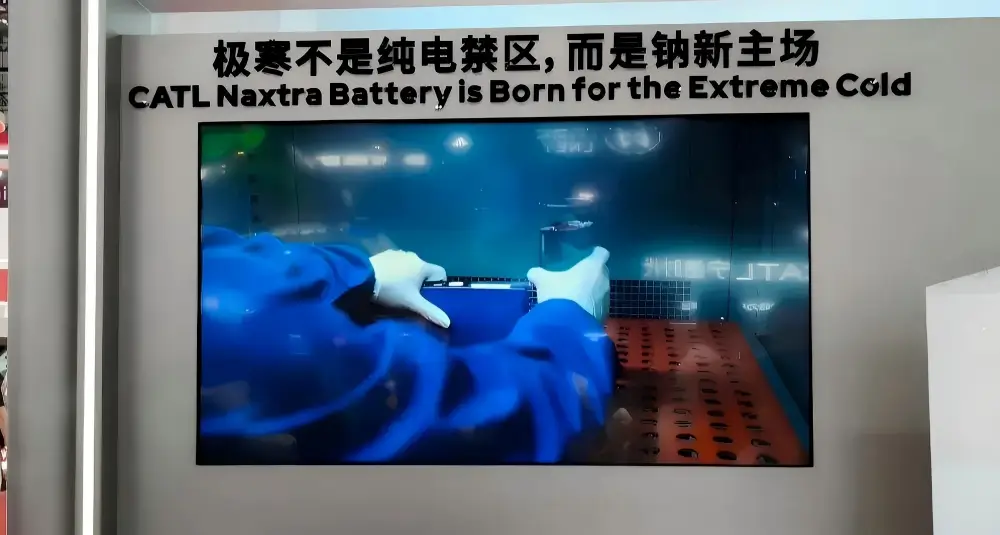
3. Wide Temperature Tolerance
As highlighted in recent industry updates, Sodium Ion Batteries perform reliably in both high-temperature and sub-zero environments. While lithium-ion batteries struggle in extreme cold (losing significant capacity below 0°C) or excessive heat (accelerating degradation), sodium-ion systems maintain consistent performance across a broader temperature range. This makes them ideal for applications in regions with harsh climates, such as northern Europe, the Middle East, or parts of North America.
4. Long Cycle Life for Stationary Storage
For grid-scale or commercial energy storage, cycle life is a key metric. Many Sodium Ion Battery prototypes and early commercial products demonstrate cycle lives exceeding 6,000 charges/discharges—on par with or better than many mid-tier lithium-ion options. This longevity reduces the total cost of ownership (TCO) over the system’s lifespan, a crucial factor for project financiers.
Industrial Use Cases for Sodium Ion Batteries
Businesses across industries are already exploring Sodium Ion Batteries for applications where cost, safety, and environmental resilience matter most:
1. Grid-Scale Energy Storage
Utilities and independent power producers (IPPs) are turning to sodium-ion systems to stabilize grids, store excess renewable energy (e.g., solar, wind), and manage peak demand. The ability to operate in extreme temperatures and tolerate frequent charge-discharge cycles makes them well-suited for remote or off-grid installations.
2. Commercial & Industrial (C&I) Energy Storage
Manufacturers, data centers, and commercial buildings can use Sodium Ion Batteries for backup power, demand response, and self-consumption of on-site renewables. Their safety profile and low maintenance requirements make them attractive for facilities where downtime is costly.
3. Electric Mobility (Two- and Three-Wheelers)
In regions like Asia, Europe, and North America, Sodium Ion Batteries are gaining traction in electric scooters, motorcycles, and small EVs. Their lower cost and adequate range for short-distance travel make them a viable alternative to lithium-ion in markets where price sensitivity is high.
4. Renewable Energy Integration
Solar farms, wind parks, and hydroelectric plants require storage to balance supply and demand. Sodium Ion Batteries can store excess energy during peak production and release it during low-production periods, improving the overall efficiency of renewable systems.
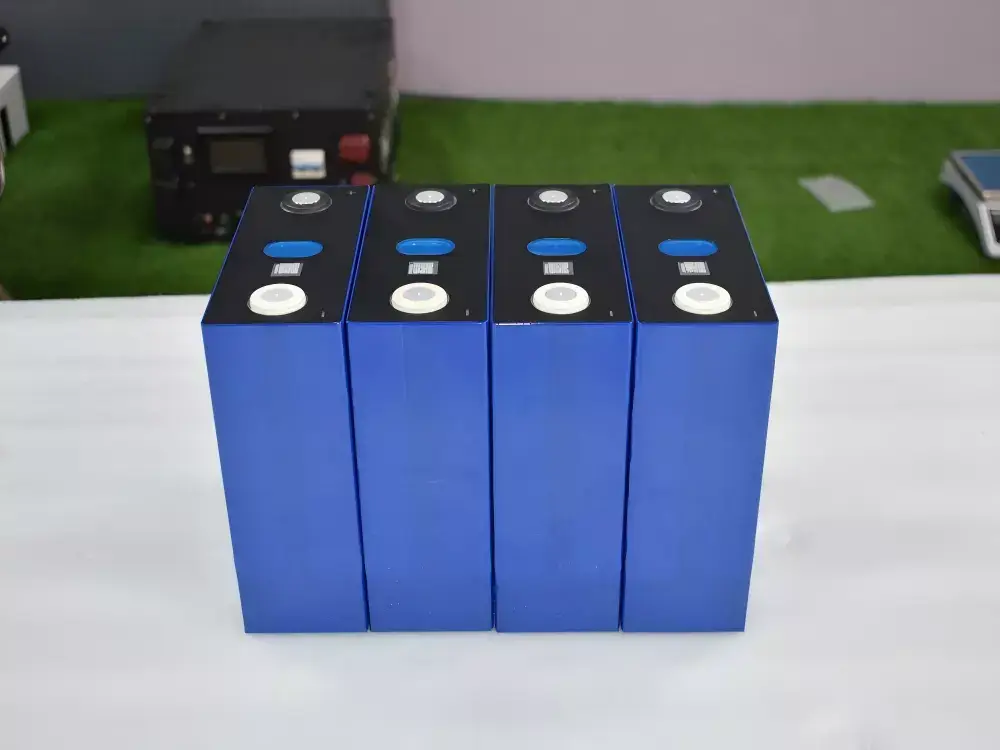
Product Spotlight: A Commercial-Grade Sodium Ion Cell
• Nominal Voltage: 2.85V
• 2.85VRated Capacity: 160Ah
• Operating Voltage Range: 1.5–3.45V• Internal Resistance: ≤0.25mΩ• Max Discharge Rate: 1C• Cycle Life: ≥6,000 times
• Discharging Temperature Range: -40°C to 60°C
• Weight: 4.69±0.6 kg
• Dimensions (T×W×H): 72×174.2×207.5 mm
This cell exemplifies the trend toward compact, high-capacity designs optimized for industrial use. Its wide temperature range (-40°C to 60°C) and long cycle life (≥6,000 cycles) make it suitable for demanding applications, from cold-climate grid storage to high-heat industrial facilities.
The Future of Sodium Ion Batteries: Manufacturing and Scale
Industry leaders report that the core challenges of Sodium Ion Battery manufacturing—including cathode material synthesis, electrolyte optimization, and cell assembly—have been largely resolved. Mass production is now ramping up, with plans for large-scale factories to meet growing demand.
For B2B buyers, this means:
• Improved Supply Chain Resilience: Reduced reliance on lithium, cobalt, or nickel.
• Cost Parity (or Better) with Lithium-Ion: As production scales, sodium-ion systems are expected to become cost-competitive, especially for mid-to-large-scale projects.
• Broader Application Potential: From microgrids to heavy machinery, sodium-ion technology is poised to disrupt multiple sectors.
FAQ: Common Questions About Sodium Ion Batteries
1. How do Sodium Ion Batteries compare to lithium-ion in terms of energy density?
While Sodium Ion Batteries currently have lower energy density than premium lithium-ion chemistries (e.g., NMC or NCA), they outperform in applications where weight and volume are less critical (e.g., stationary storage, low-speed EVs). For most industrial and grid-scale use cases, energy density is not the primary constraint.
2. Are Sodium Ion Batteries safe for indoor installation?
Yes. Their lower operating voltage, reduced risk of thermal runaway, and stable chemical properties make them safer than many lithium-ion options for indoor or urban deployments.
3. What is the typical payback period for a Sodium Ion Battery storage system?
The payback period depends on factors like electricity prices, project size, and local incentives. However, due to their long cycle life, low maintenance, and potential cost advantages, many projects see payback within 5–8 years—comparable to or better than lithium-ion for similar use cases.
4. Can Sodium Ion Batteries be used in off-grid or hybrid renewable systems?
Absolutely. Their wide temperature tolerance, long cycle life, and ability to charge/discharge efficiently make them ideal for off-grid applications, where reliability and durability are paramount.
5. When will Sodium Ion Batteries be widely available for commercial projects?
Mass production is already underway, with several manufacturers ramping up capacity. By late 2024 and into 2025, Sodium Ion Batteries are expected to be readily available for B2B projects across grid storage, C&I, and mobility sectors.
Conclusion
For businesses seeking a reliable, cost-effective, and sustainable energy storage solution, Sodium Ion Batteries represent a strategic opportunity. Their unique combination of safety, temperature resilience, and scalability addresses key pain points in today’s energy landscape. As manufacturing matures and costs decline, sodium-ion technology will likely become a cornerstone of global energy transition—especially for industrial and grid-scale applications.
By staying informed and partnering with experienced suppliers, businesses can position themselves at the forefront of this emerging technology, unlocking new efficiencies and competitive advantages in the process.
Welcome to contact us:
WhatsApp/Wechat/Mobile: +86 13332949210
Email: info@xihobattery.com
Website: www.xihobattery.com
Ready to power your energy systems with the best in the industry?
Contact us today to get the latest pricing and discuss your needs with our team!

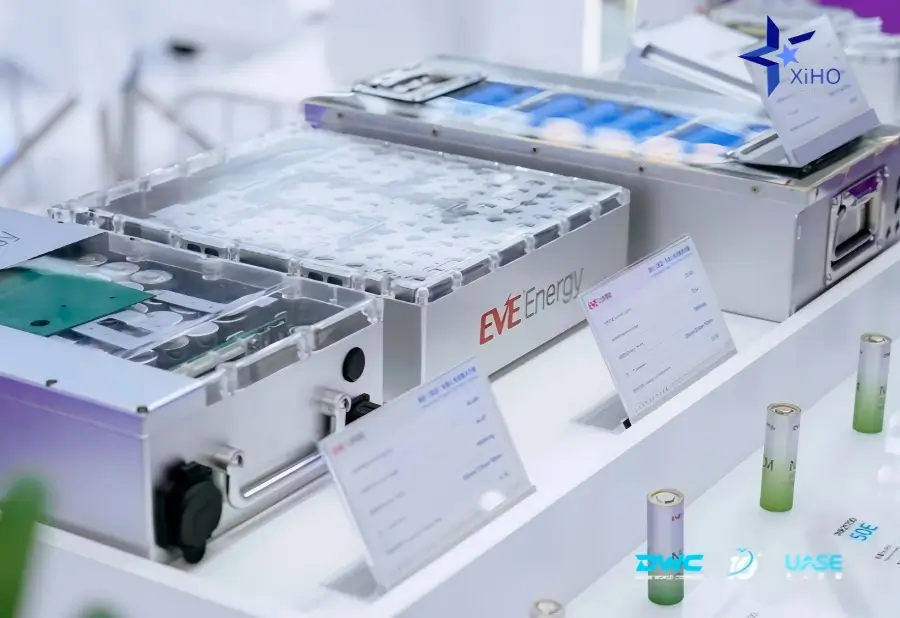 EVE Energy Showcases Energy Solutions at 2026 World UAV Expo
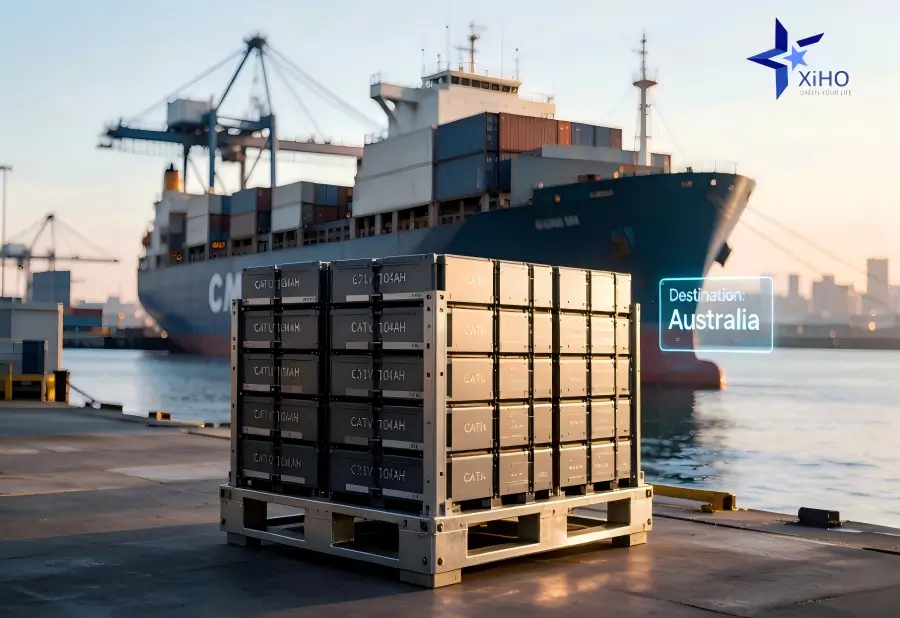 240 pcs of CATL 3.2V 104Ah LiFePo4 batteries to Australia
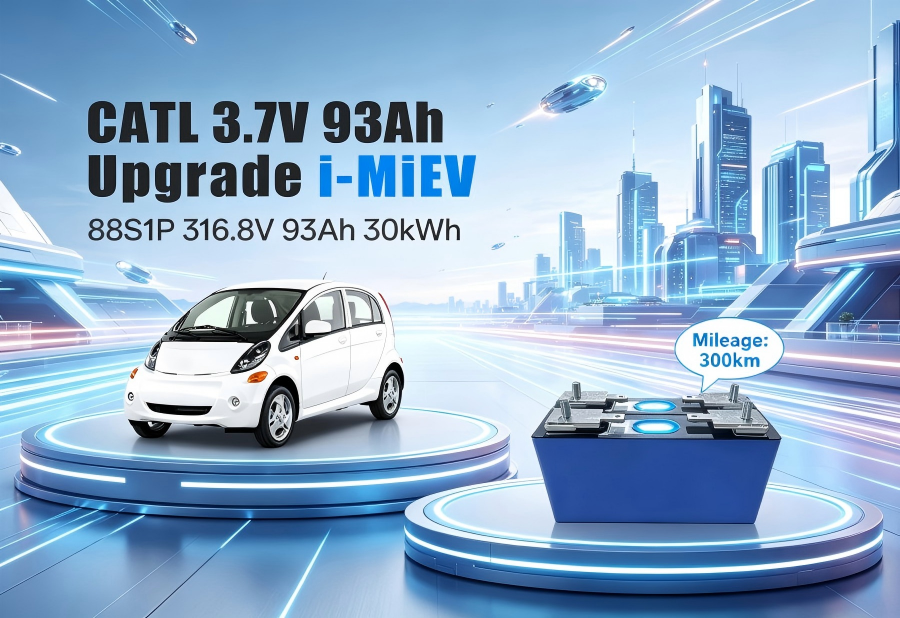 Adapting the i-MiEV Battery Pack for 93Ah NMC Cell Integration

