In an era defined by portable electronics, electric vehicles, and renewable energy storage, lithium batteries have emerged as the unsung heroes powering our technological revolution. From smartphones to Mars rovers, these compact energy storage systems have reshaped how we live, work, and explore. Let's dive into the electrifying world of lithium batteries.
A Spark of Innovation: A Brief History
The story begins in the 1970s when chemist M. Stanley Whittingham developed the first lithium-based battery prototype. However, it was John B. Goodenough's groundbreaking work on lithium cobalt oxide cathodes (1979) and Akira Yoshino's creation of the first commercially viable lithium-ion battery (1985) that truly ignited the revolution. Sony brought this technology to consumers in 1991, forever changing the portable electronics landscape.
How Lithium Batteries Work
At their core, lithium batteries operate through an elegant electrochemical dance:
Lithium ions shuttle between cathode and anode during charge/discharge cycles
The cathode (typically metal oxide) and anode (graphite or silicon) host lithium ions
A lithium salt electrolyte facilitates ion movement
Electrons flow through external circuits, creating electrical current


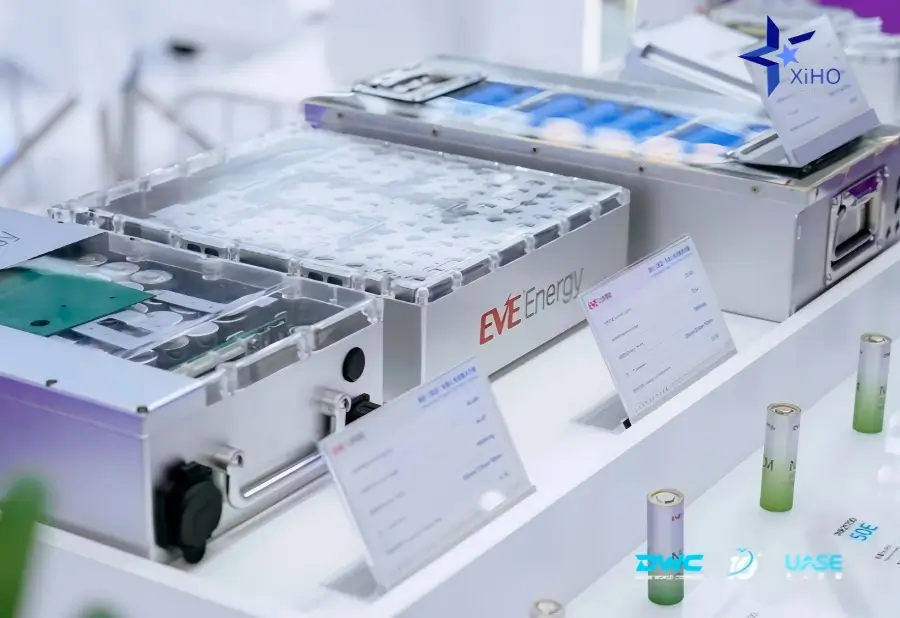 EVE Energy Showcases Energy Solutions at 2026 World UAV Expo
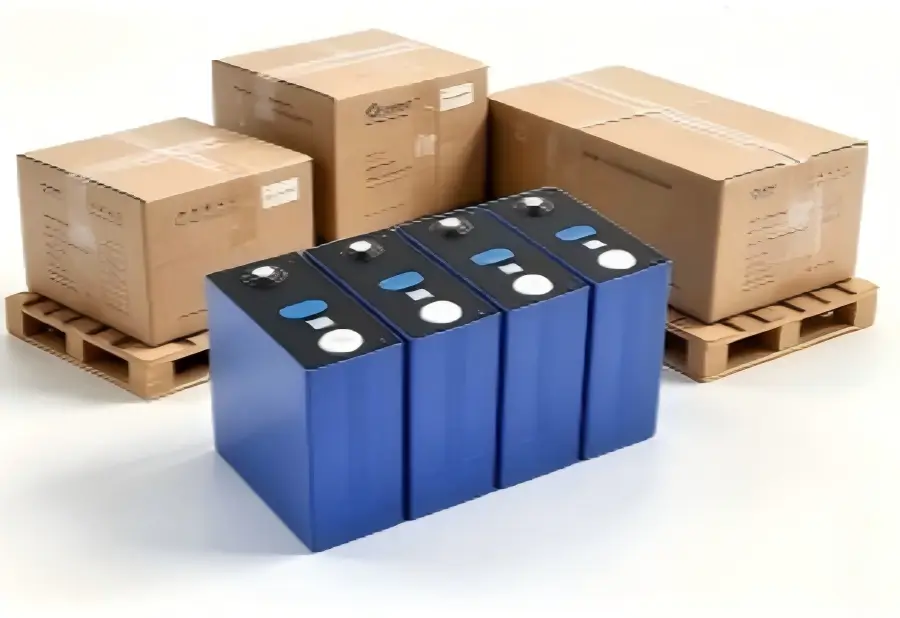
 240 pcs of CATL 3.2V 104Ah LiFePo4 batteries to Australia
 Sodium Ion Battery: The Emerging Energy Storage Solution for Global ESS & EV Projects

