The research and development competition for solid-state batteries has entered a white hot stage. Toyota plans to mass produce electric vehicles equipped with solid-state batteries by 2027, with a theoretical energy density of 2-3 times that of existing batteries. The technological revolution of replacing liquid electrolytes with solid conductors, like the leap from steam engines to internal combustion engines, may trigger a new round of industrial revolution.
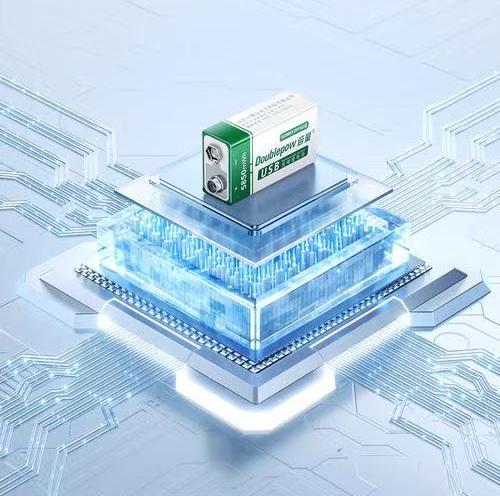
In the field of material innovation, scientists are exploring more cutting-edge possibilities: the theoretical energy density of the lithium sulfur battery developed by Stanford University can reach 2600 Wh/kg, and the theoretical value of the lithium air battery researched by MIT has reached an astonishing 3500 Wh/kg. Although these technologies are still confined to the laboratory, the future picture they depict is fascinating.
When artificial intelligence encounters battery development, it produces wonderful chemical reactions. The AI model trained by Google DeepMind can screen millions of electrolyte formulas within a few weeks, and this improvement in research and development efficiency has shortened the originally ten-year development cycle to just a few months. This' digital alchemy 'is reshaping the research and development paradigm of materials science.
Standing at a turning point in the energy revolution, the story of lithium batteries is far from over. From smartphones to Mars rovers, from deep-sea explorers to artificial satellites, this silver energy magic box continues to release its magic. When we gaze at the icon of the phone battery in our palm, what we see is not only the remaining power, but also a reconstructed energy civilization map. Future batteries may be as thin as paper and as transparent as crystal, but what remains unchanged is humanity's relentless pursuit of breaking through energy boundaries. In this new era of electrification, every small advancement in battery technology is writing a new footnote for human civilization.

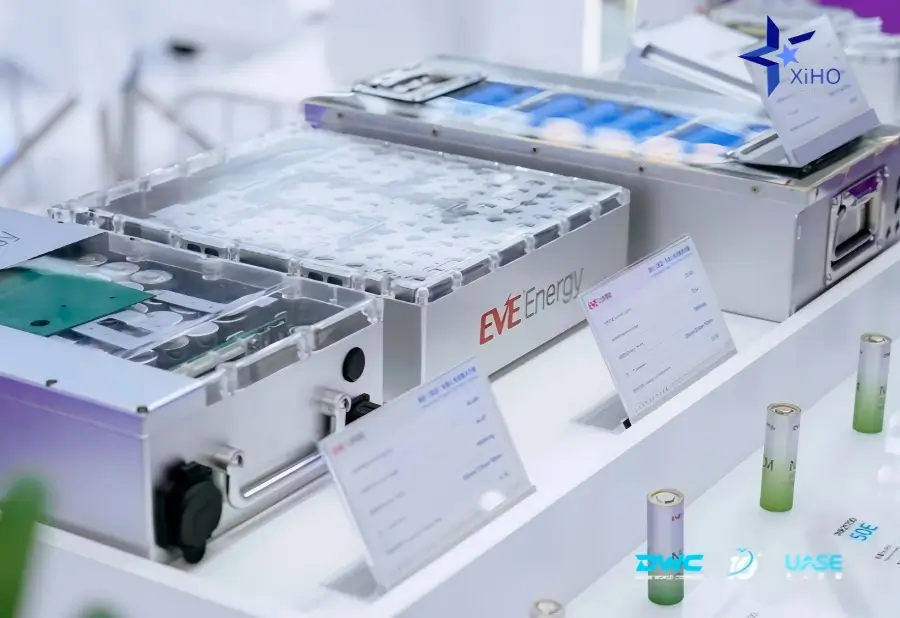 EVE Energy Showcases Energy Solutions at 2026 World UAV Expo
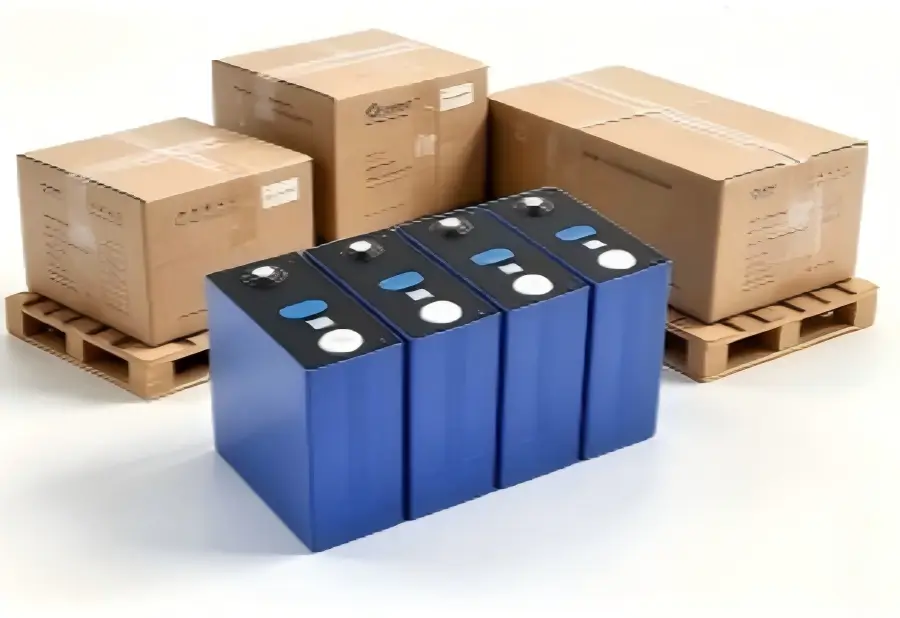
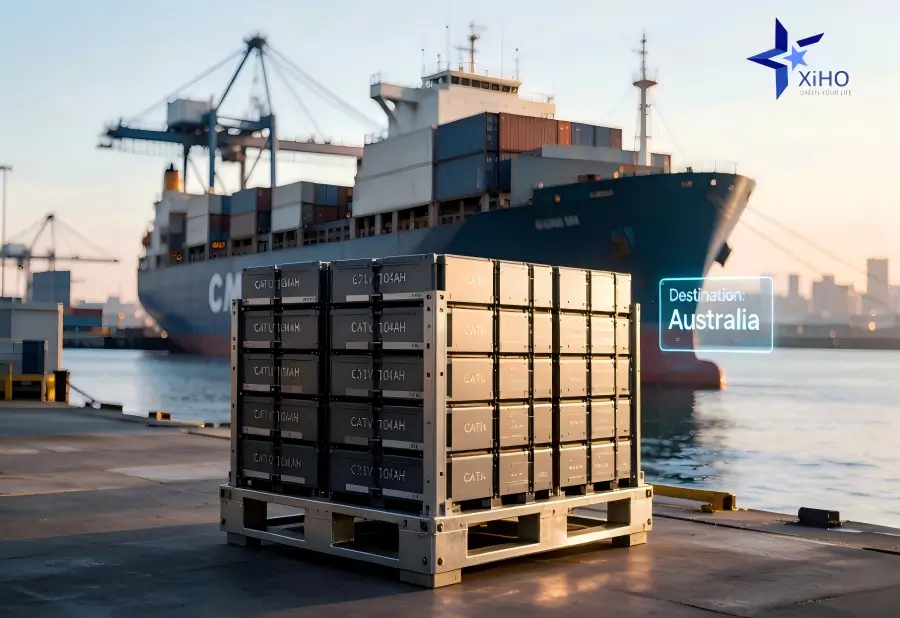 240 pcs of CATL 3.2V 104Ah LiFePo4 batteries to Australia
 Sodium Ion Battery: The Emerging Energy Storage Solution for Global ESS & EV Projects
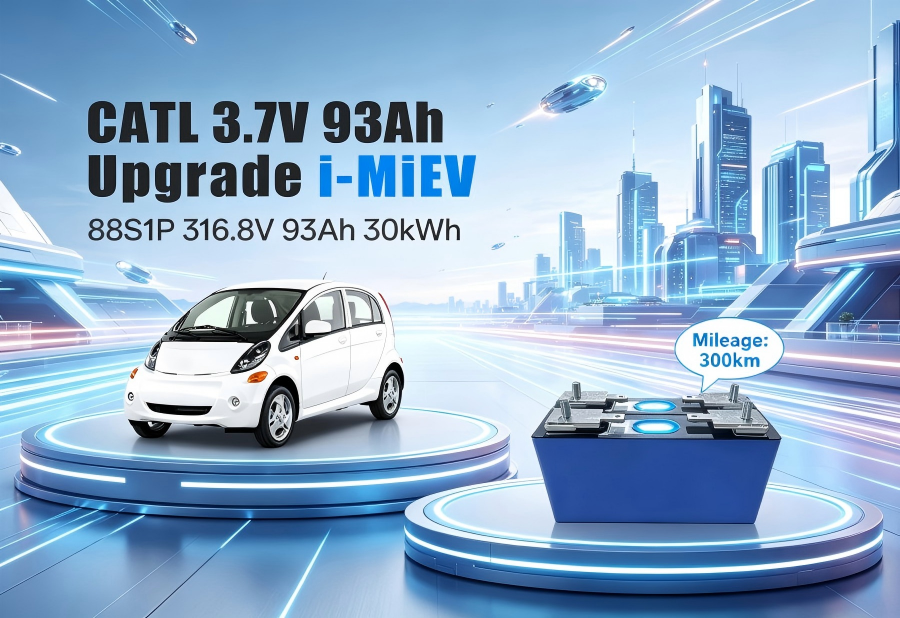 Adapting the i-MiEV Battery Pack for 93Ah NMC Cell Integration
