The lithium battery sector has become a high-stakes battleground, driven by surging demand for electric vehicles (EVs), renewable energy storage, and consumer electronics. With the market projected to exceed $200 billion by 2030, competition is intensifying across technology, supply chains, and geopolitics.
Key Players and Regional Dynamics:
China’s Dominance:CATLand BYD lead in production and innovation.Controls 70% of battery component refining and 80% of cell manufacturing.
South Korea’s Tech Edge:LG Energy Solution and Samsung SDI power major automakers (Tesla, GM, Ford).Pioneering high-nickel NCMA batteries for longer EV ranges.Japan’s Legacy:Panasonic remains Tesla’s primary supplier, focusing on 4680 cell development.Western Ambitions:Northvolt (Sweden) and Tesla’s Gigafactories aim to reduce reliance on Asia.U.S. incentives under the Inflation Reduction Act boost local production.
Technology Wars.Solid-State Batteries: Toyota targets commercialization by 2027-2028, while QuantumScape tests prototypes.
Sodium-Ion Alternatives: CATL and SVOLT seek cheaper, cobalt-free solutions for grid storage.
Recycling Race: Redwood Materials (U.S.) and GEM (China) compete to close the battery lifecycle loop.
Supply Chain Bottlenecks.Lithium prices fluctuated wildly (from 6,000/ton in 2020 to6,000/tonin2020to70,000/ton in 2022).
Cobalt’s ethical concerns push companies like Tesla to adopt LFP (lithium iron phosphate) chemistries.
The Road Ahead.The industry faces a critical juncture:Vertical Integration: Automakers (e.g., Volkswagen’s PowerCo) now build their own battery plants.Geopolitical Tensions: Western efforts to bypass Chinese dominance face raw material hurdles.Sustainability Pressure: EU’s new battery regulations mandate 70% recycling efficiency by 2030.
In this electrified race, winners will need cutting-edge tech, resilient supply chains, and green credentials. As companies jostle for market share, one truth emerges: the future of energy storage will be shaped as much in boardrooms and mines as in labs.


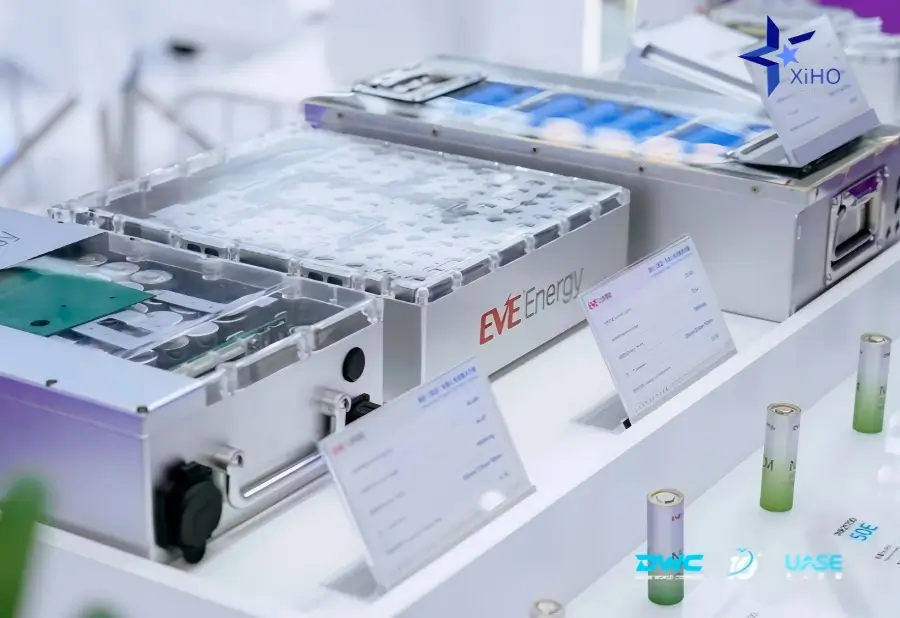 EVE Energy Showcases Energy Solutions at 2026 World UAV Expo
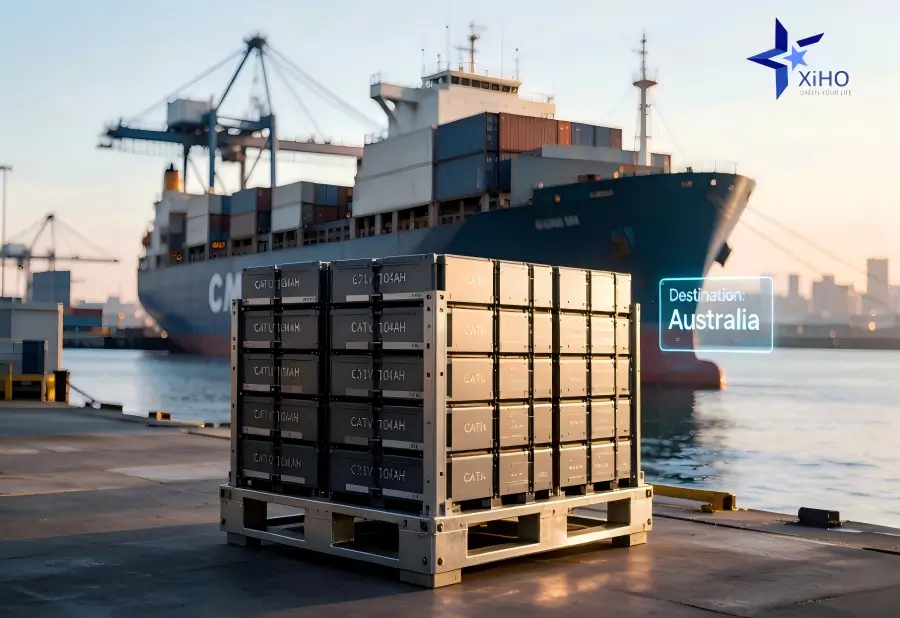 240 pcs of CATL 3.2V 104Ah LiFePo4 batteries to Australia
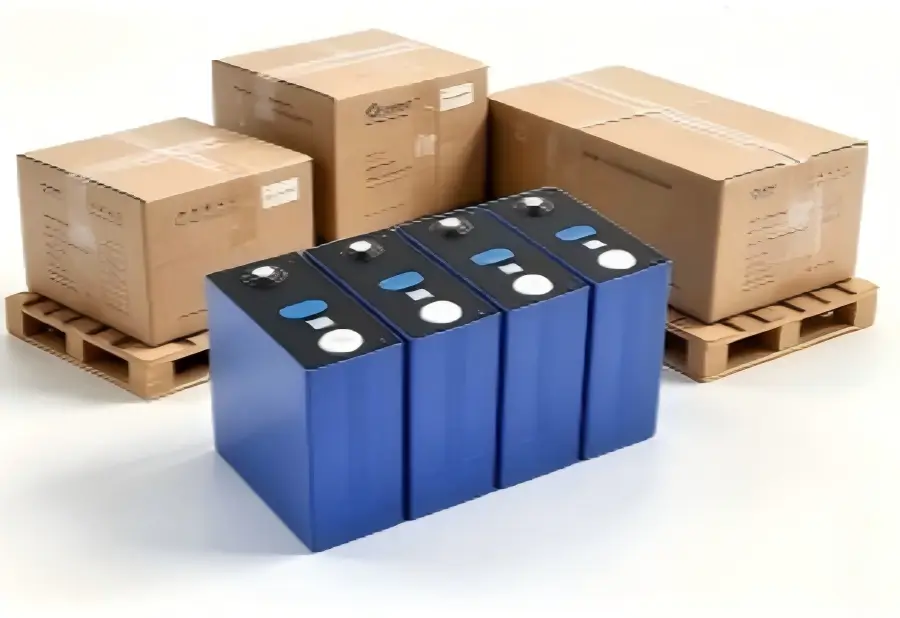 Sodium Ion Battery: The Emerging Energy Storage Solution for Global ESS & EV Projects
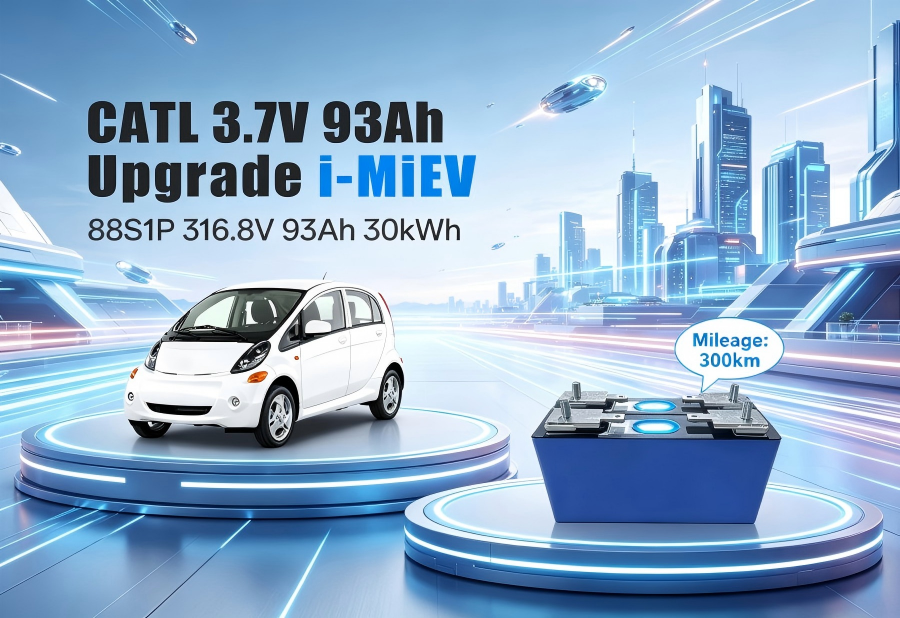 Adapting the i-MiEV Battery Pack for 93Ah NMC Cell Integration
