Lithium iron phosphate batteries (LiFePO₄ batteries) have become the mainstream choice for electric vehicles and energy storage systems due to their high safety, long cycle life and environmental friendliness. However, LiFePO₄ batteries still face performance degradation and failure problems in practical applications. Understanding their failure modes and mechanisms is the key to optimizing LiFePO₄ battery design and extending its service life.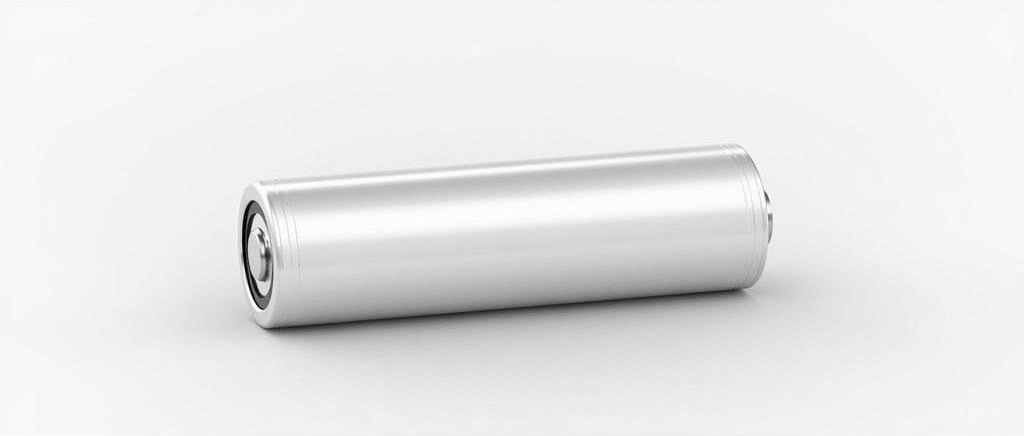
1. Five failure modes of lithium iron phosphate batteries
(1) Capacity attenuation
Performance: The available capacity of lithium iron phosphate batteries gradually decreases with the cycle or storage time.
Mechanism:
-Degradation of the positive electrode material structure: LiFePO₄ may undergo local phase changes during the cycle (such as Fe³⁰ is reduced to Fe²⁺), resulting in obstruction of the lithium ion diffusion channel; lattice distortion is aggravated at high temperatures, and ionic conductivity is reduced.
-Loss of negative electrode active material: The volume expansion of the graphite negative electrode (about 10%) causes particle rupture, and excessive growth of the SEI film consumes active lithium.
-Electrolyte decomposition: Under high pressure or high temperature, the electrolyte is oxidized to generate inert substances such as Li₂CO₃, which increases the interface impedance.
(2) Increased internal resistance
Performance: LiFePO4 battery polarization is enhanced, and the charge and discharge efficiency decreases.
Mechanism:
-Increased interface impedance: SEI thickens, metal lithium deposits to form a high impedance layer; LiF insulator on the surface of LiFePO₄ hinders charge transfer.
-Current collector corrosion: HF in the electrolyte corrodes the aluminum current collector, and the contact resistance increases.
-Deterioration of electrode structure: Particle rupture or binder aging destroys the conductive network.
(3) Thermal runaway
Performance: The temperature of the lithium iron phosphate battery rises sharply, causing combustion or explosion.
Mechanism:
-Internal short circuit: Dendrite growth pierces the diaphragm, causing a sudden increase in local current.
-Thermal decomposition of electrolyte: When the temperature exceeds 120°C, EC/DMC decomposes and produces gas, and the diaphragm melts, exacerbating the short circuit.
-Positive oxygen release: LiFePO₄ releases oxygen at extremely high temperatures (>300°C), reacting with the electrolyte to release heat.
(4) End of cycle life
Performance: The capacity of lithium iron phosphate battery decays to less than 80% of the rated value.
Mechanism:
-Lithium inventory loss: SEI repair consumes lithium ions, and the irreversible phase change of the positive electrode reduces the lithium embedding sites.
-Active material failure: electrode pulverization or conductive agent failure, and the effective reaction area is reduced.
-Electrolyte depletion: side reactions consume electrolyte, and lithium ion transmission medium is insufficient.
(5) Storage aging
Performance: The capacity of lithium iron phosphate batteries decreases irreversibly after long-term storage.
Mechanism:
-Self-discharge reaction: Micro-short circuit causes Fe²⁺ to oxidize to Fe³⁺, consuming active lithium.
-Continuous growth of SEI: SEI thickens during storage, increasing impedance.
-Metal lithium precipitation: High-temperature storage triggers lithium metal deposition, increasing the risk of short circuit.
2. Mitigation strategies to extend the life of lithium iron phosphate batteries
(1)Material modification: The positive electrode is coated with a carbon layer to improve conductivity, and the negative electrode is pre-lithiated to compensate for lithium loss.
(2)Electrolyte optimization: Adding film-forming additives (such as VC) stabilizes SEI and inhibits decomposition.
(3)Thermal management design: The liquid cooling system accurately controls temperature to avoid extreme temperatures.
(4)BMS strategy: Limit the charge and discharge cut-off voltage to prevent overcharging and over-discharging.The failure modes of lithium iron phosphate batteries are complex and diverse, but their reliability can be significantly improved through material optimization, process improvement and intelligent management. In the future, as the penetration rate of lithium iron phosphate batteries in energy storage and electric vehicles increases, systematic research on failure mechanisms and response strategies will become the core driving force for the high-quality development of the industry!

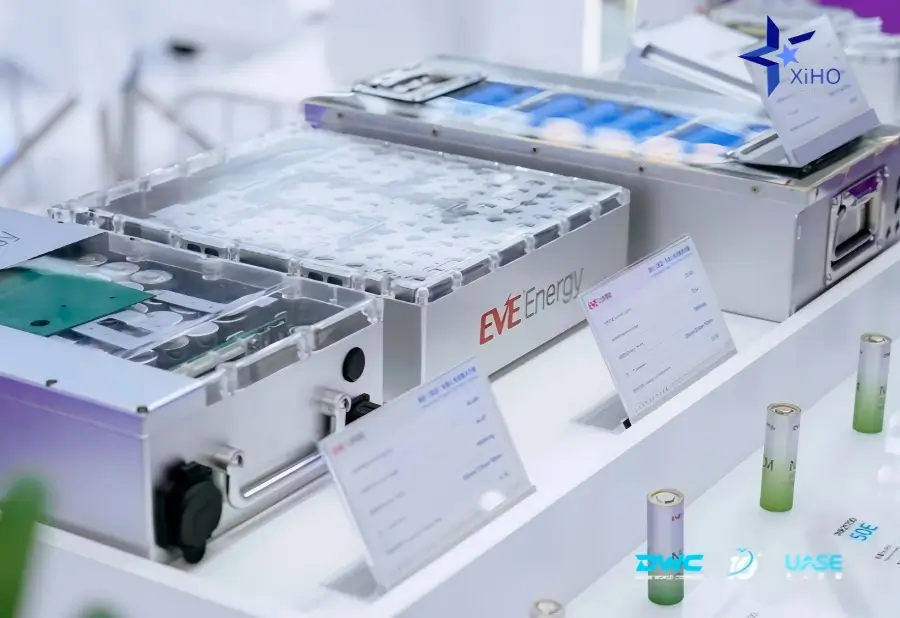 EVE Energy Showcases Energy Solutions at 2026 World UAV Expo
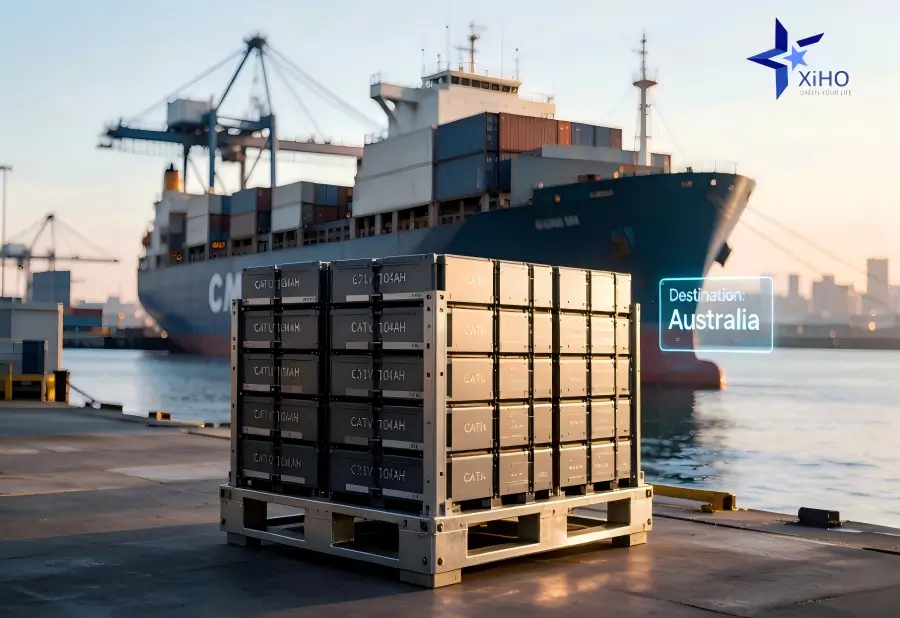 240 pcs of CATL 3.2V 104Ah LiFePo4 batteries to Australia
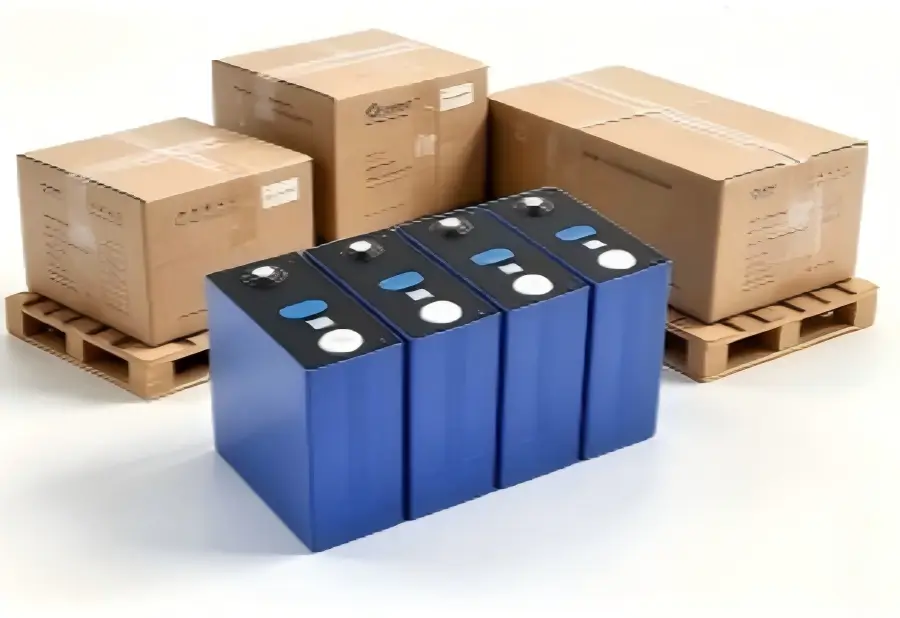 Sodium Ion Battery: The Emerging Energy Storage Solution for Global ESS & EV Projects
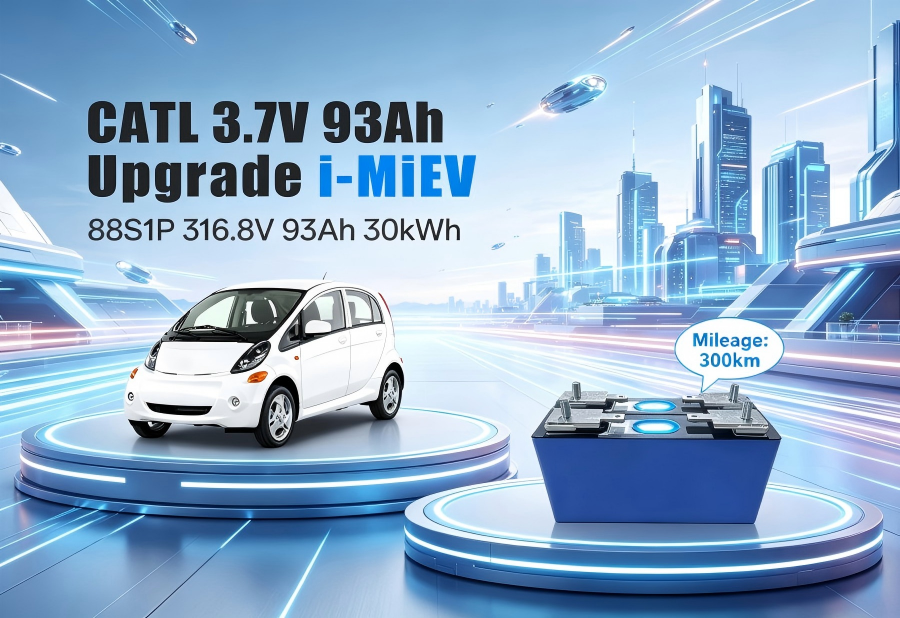 Adapting the i-MiEV Battery Pack for 93Ah NMC Cell Integration
