

What is the M3P battery?
Judging from the name (where M is the code for manganese, and P stands for the chemical formula PO₄phosphate),
the outside world speculates that the M3P battery is lithium manganese iron phosphate battery, but CATL said that the M3P battery is not exactly lithium manganese iron phosphate battery.
The positive electrode material also contains other metal elements, which the company calls a ternary lithium battery with a phosphate system.
What is the significance of M3P battery to CATL?
From the perspective of industry insiders, the highlight of the mass-produced Kirin battery in CATL in March this year is the innovative breakthrough in the battery pack structure(Kirin battery is the third-generation CTP technology of CATL. Through structural optimization, the volume of the battery pack can be increased. Utilization rate and energy density).
Then, the M3P battery mainly achieves a leap in the performance of the existing liquid lithium-ion battery through the optimization of the positive electrode material of the battery.

Last August, the market first heard that CATL would supply Tesla with M3P batteries.
It is rumored that the batteries will be installed in the new domestically produced Tesla Model 3 and Model Y models, and related models will be launched in 2023.
According to previous reports, the energy density of the M3P battery will be about 15% higher than that of the existing lithium iron phosphate battery, which is about 210 kWh/kg.
According to official data, at present, the cruising range of the Shanghai factory Tesla Model 3 is 556 kilometers to 675 kilometers (345-420 miles).
Using the new M3P batteries, the Tesla Model 3 should be able to travel more than 700 kilometers (435 miles) on a single charge.
The above is the content shared in this issue, thank you for reading.
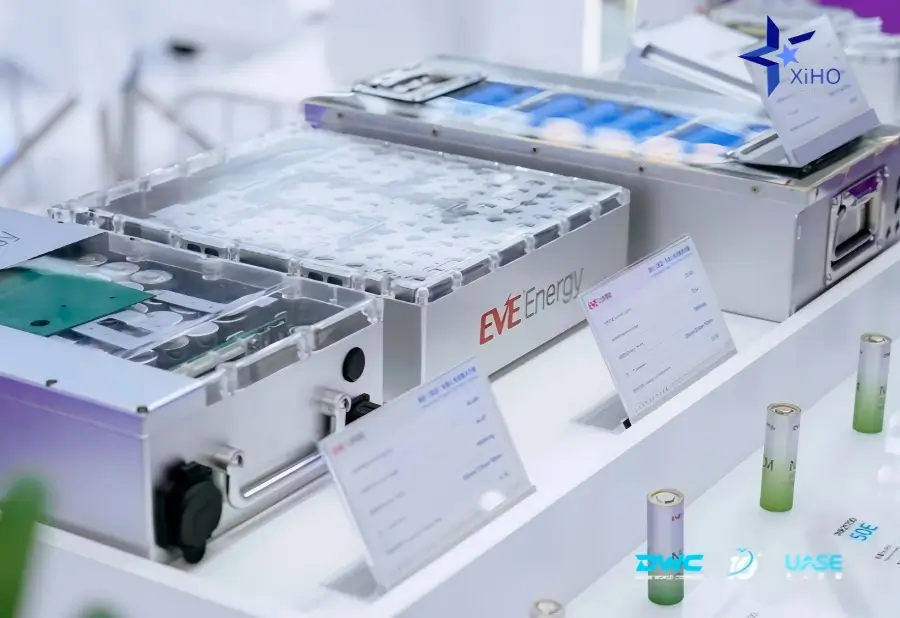 EVE Energy Showcases Energy Solutions at 2026 World UAV Expo
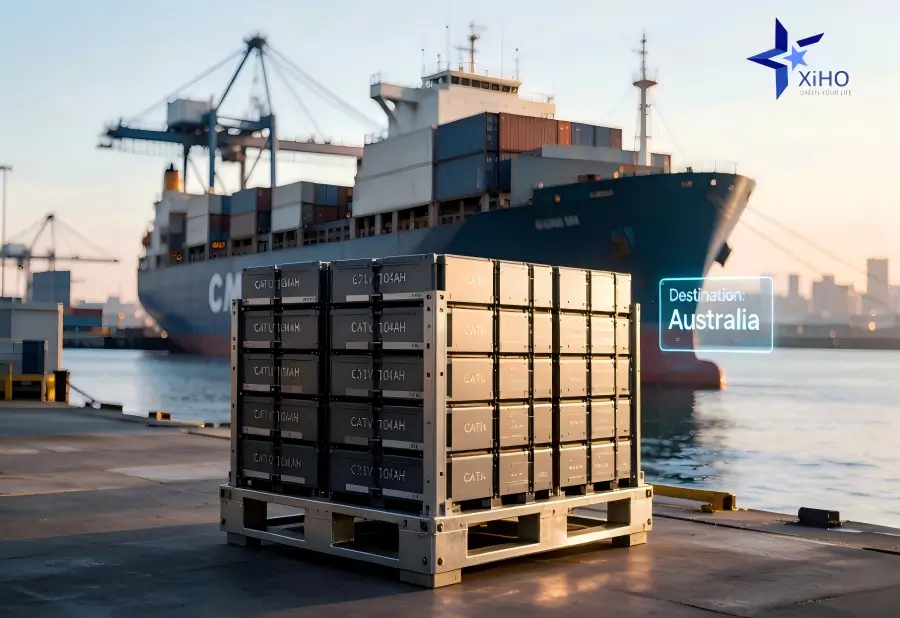 240 pcs of CATL 3.2V 104Ah LiFePo4 batteries to Australia
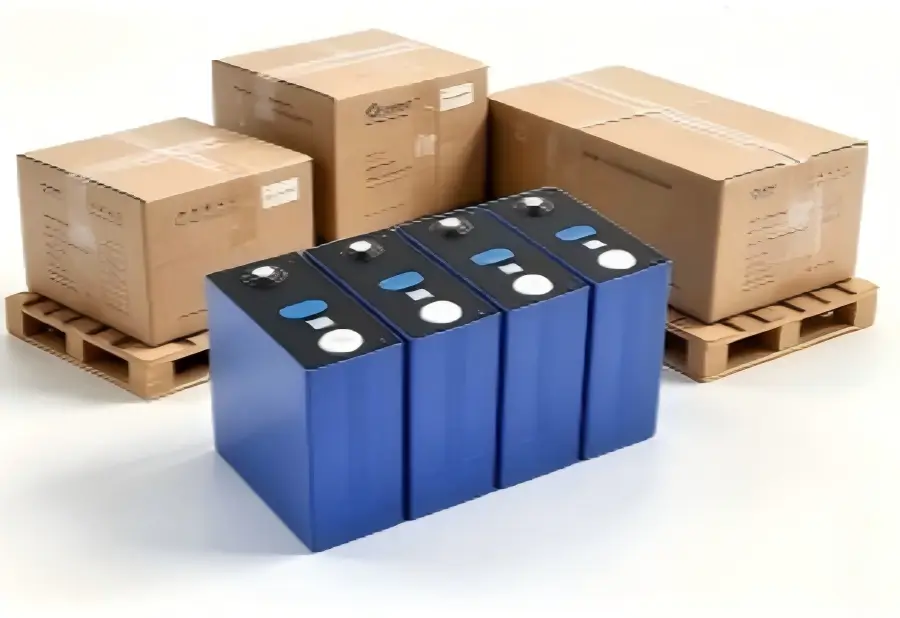 Sodium Ion Battery: The Emerging Energy Storage Solution for Global ESS & EV Projects
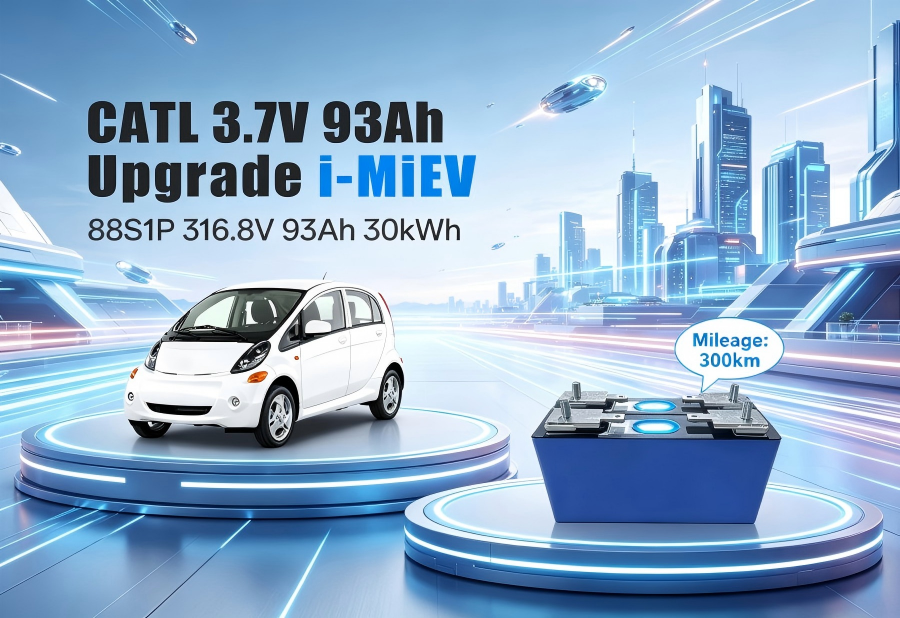 Adapting the i-MiEV Battery Pack for 93Ah NMC Cell Integration
