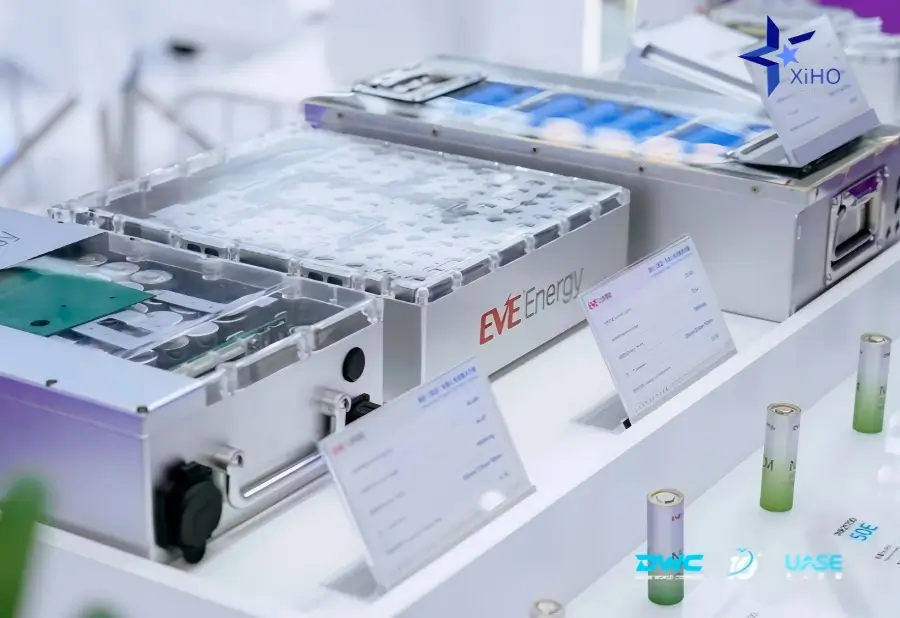
 EVE Energy Showcases Energy Solutions at 2026 World UAV Expo
Jun .05.2026
The 2026 World UAV Expo and International Low-Altitude Economy & Unmanned Systems Exhibition (UASE 2026) recently concluded at the Shenzhen World Exhibition & Convention Center. The event gathered industry leaders, technology developers, and commercial operators from the global drone and advanced air mobility sectors. Among the prominent exhibitors was EVE Energy, which presented a comprehensive portfolio of energy solutions tailored for low-altitude aviation and robotics applications.
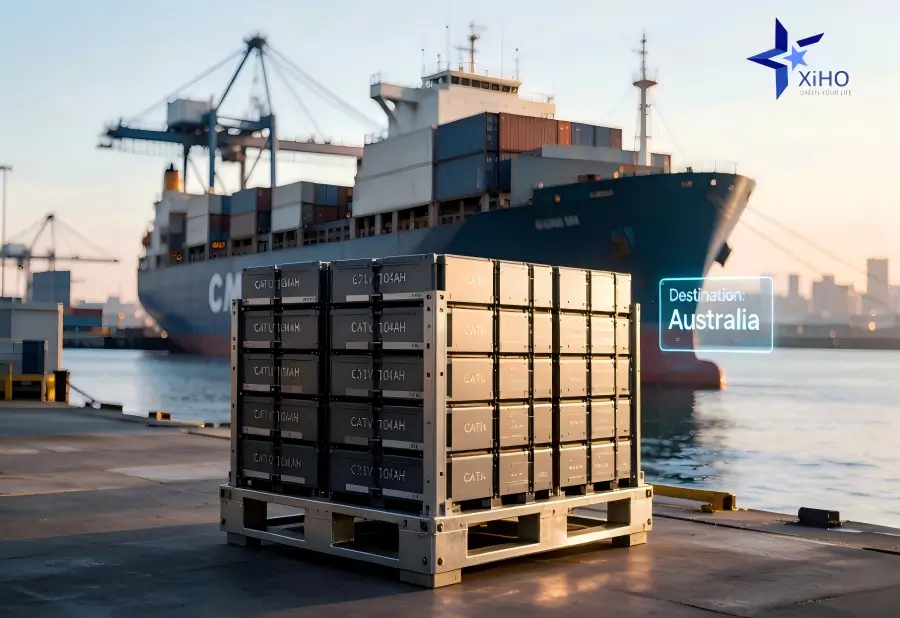 240 pcs of CATL 3.2V 104Ah LiFePo4 batteries to Australia
Jun .04.2026
We have successfully shipped 240 pcs of CATL 3.2V 104Ah LiFePo4 prismatic battery cells to our customer in Australia. All units passed strict internal resistance (≤0.4mΩ) and voltage inspection before dispatch. The batch has completed packaging, passed weighing verification (each cell weighs 1.95kg), and is now awaiting transportation arrangements. These prismatic cells feature a compact size (52.3 * 148.2 * 119mm), support 1C/3C discharge rates, and offer a long cycle life of 4000+ times—ideal for grid energy storage and commercial industrial applications.
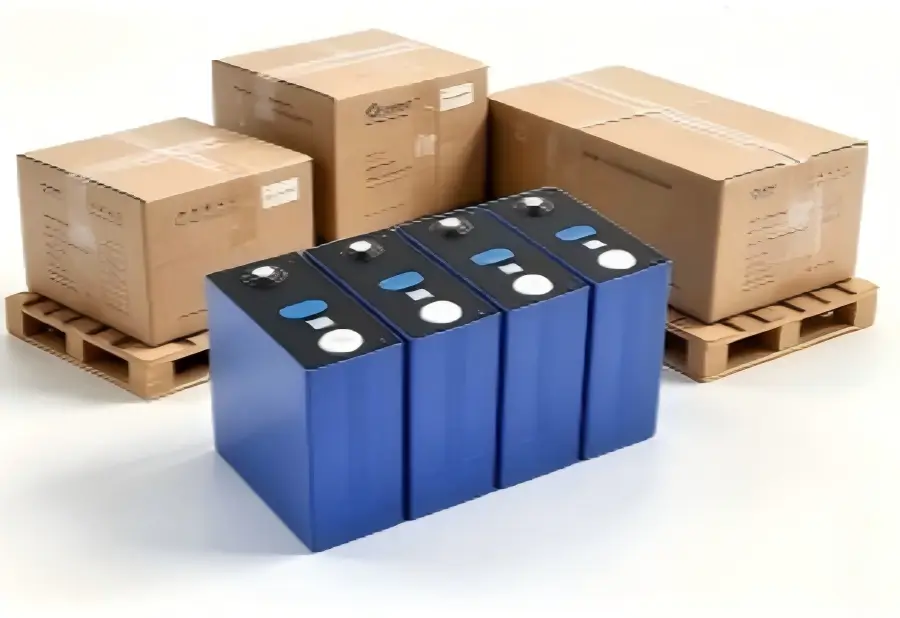 Sodium Ion Battery: The Emerging Energy Storage Solution for Global ESS & EV Projects
Jun .03.2026
Sodium Ion Battery has rapidly emerged as a reliable low-cost energy storage alternative to lithium-based batteries for global ESS integrators and C&I storage project buyers. Built with abundant sodium-sourced raw materials, our industrial prismatic Sodium Ion Battery delivers outstanding low-temperature performance from -40℃ to 60℃ alongside over 6000 charge-discharge cycles, effectively easing raw material price volatility risks troubling lithium supply chains.
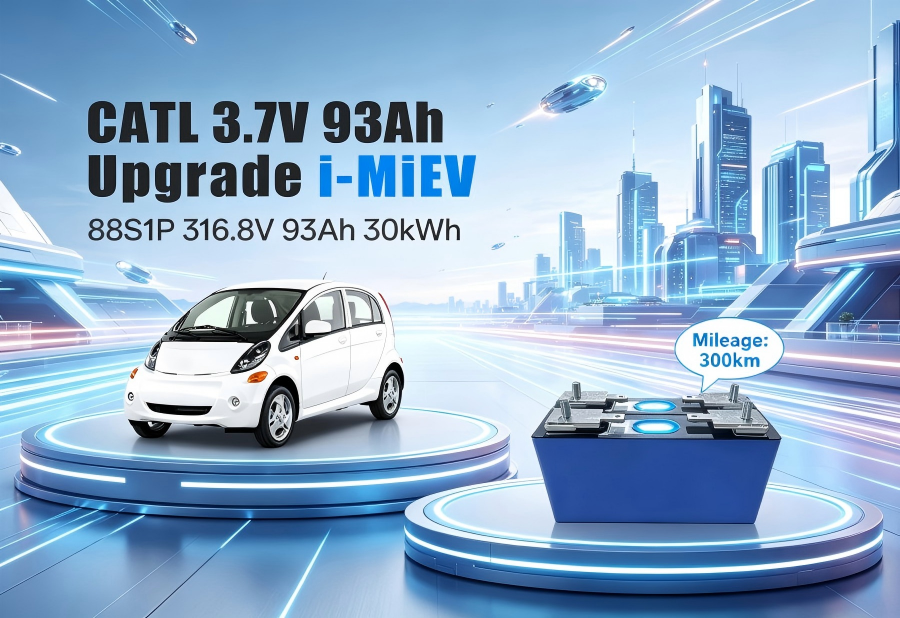 Adapting the i-MiEV Battery Pack for 93Ah NMC Cell Integration
Jun .01.2026
Upgrade your Mitsubishi i-MiEV’s performance and range with this high-capacity CATL 93Ah NMC battery pack replacement, designed to directly upgrade the original 50Ah LEV50 cells.This 88S1P configuration delivers 316.8V, 93Ah and 30kWh of total capacity, boosting your i-MiEV’s driving range to up to 300 km on a full charge — a significant improvement over the factory setup.The 93Ah NMC cells feature slightly different physical dimensions and terminal layouts compared to the original LEV50 batteries.


 EVE Energy Showcases Energy Solutions at 2026 World UAV Expo
 240 pcs of CATL 3.2V 104Ah LiFePo4 batteries to Australia
 Sodium Ion Battery: The Emerging Energy Storage Solution for Global ESS & EV Projects
 Adapting the i-MiEV Battery Pack for 93Ah NMC Cell Integration
