In the wave of new energy revolution, energy storage system is like a "power bank", and lithium iron phosphate battery is becoming the most reliable "vault guardian" of this bank with overwhelming advantage. From photovoltaic energy storage on household roofs to grid-level projects, LiFePO4 battery has reshaped the energy storage landscape with four core advantages.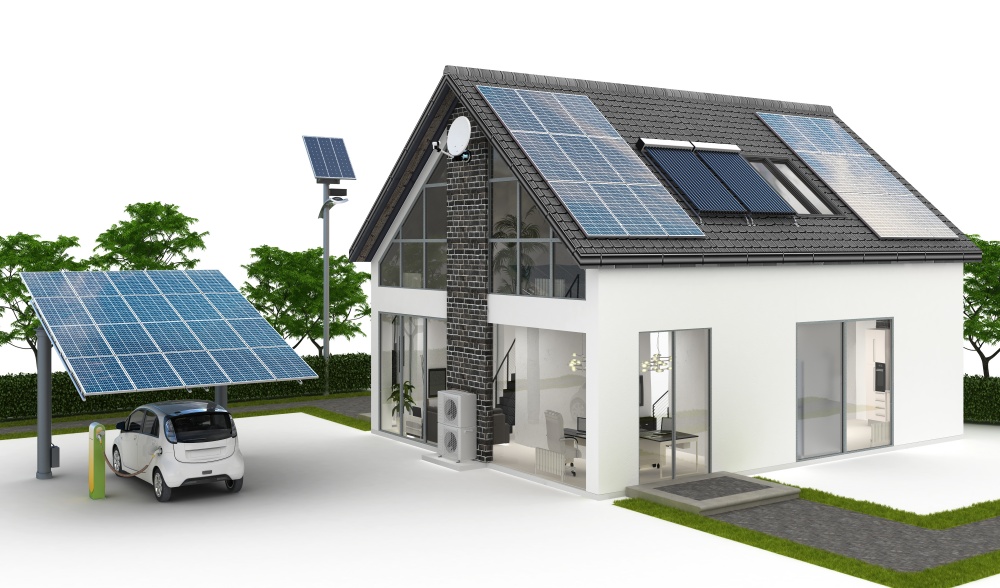 1. High safety, not prone to fire and explosion
The olivine structure (LiFePO₄) of the lithium iron phosphate battery is like a natural "firewall":
(1) The thermal runaway temperature is as high as 500°C, which is much higher than the 200°C of ternary lithium. Even if it is overcharged, short-circuited or collided, it will only release a small amount of smoke instead of violent combustion.
(2) The chemical stability is extremely strong, and the P-O covalent bond forms a three-dimensional structure, which greatly reduces the risk of thermal runaway and provides sufficient emergency response time for home energy storage systems and commercial facilities.2. Long cycle life and longer service life
In the field of energy storage, life span directly determines cost-effectiveness. The cycle life of lithium iron phosphate battery crushes competitors:
(1) The standard cycle number exceeds 4,000 times. If the household energy storage is charged once every three days, it can be used continuously for more than 10 years. The life span is three times that of lead-acid batteries and twice that of ternary batteries.
(2) Slow decay. After 2,000 charge and discharge cycles at 1C rate at 45°C, the capacity still remains above 80%.3. Good stability, adaptable to various extreme climates
From the high temperatures in Hainan to the severe cold in the plateau, LiFePO4 batteries conquer diverse environments with their stability:
(1) The operating temperature ranges from -20℃ to 75℃. At 60℃, 100% of the capacity can be released. Although the low-temperature performance is weaker than that of ternary lithium, after optimizing the temperature control system, the capacity retention rate at -10℃ is still 50%.
(2) There is no memory effect, supporting "charge and use" without full discharge, and adapting to the intermittent charging needs of wind and solar power generation.4. More environmentally friendly and sustainable resources
The environmental friendliness of lithium iron phosphate batteries runs through the entire life cycle:
(1) Zero pollution of materials: It does not contain rare metals such as cobalt and nickel, and the electrolyte does not contain heavy metals. It has passed the EU RoHS certification.
(2) Mature recycling value chain: The disassembled lithium, iron and phosphorus can be recycled, and the cascade utilization rate of a single retired battery exceeds 80%, significantly reducing the carbon footprint of the energy storage system.5. Why not choose other batteries?
Lithium titanate: too high cost, poor cost performance;
Ternary lithium: safety risks restrict large-scale energy storage;
Lead-acid batteries: short life, heavy pollution, gradually being eliminated;
Sodium ion/solid-state batteries: technical maturity and cost have not yet been broken through.
In the grand narrative of energy transformation, lithium iron phosphate batteries provide irreplaceable support for home energy storage systems and commercial battery energy storage systems with the dual roles of "safety cornerstone" and "long-distance running expert". With the iteration of technology (such as CATL's Shenxing supercharger battery) and the reduction of costs, the dominant position of LiFePO4 battery in energy storage will remain difficult to shake within ten years.

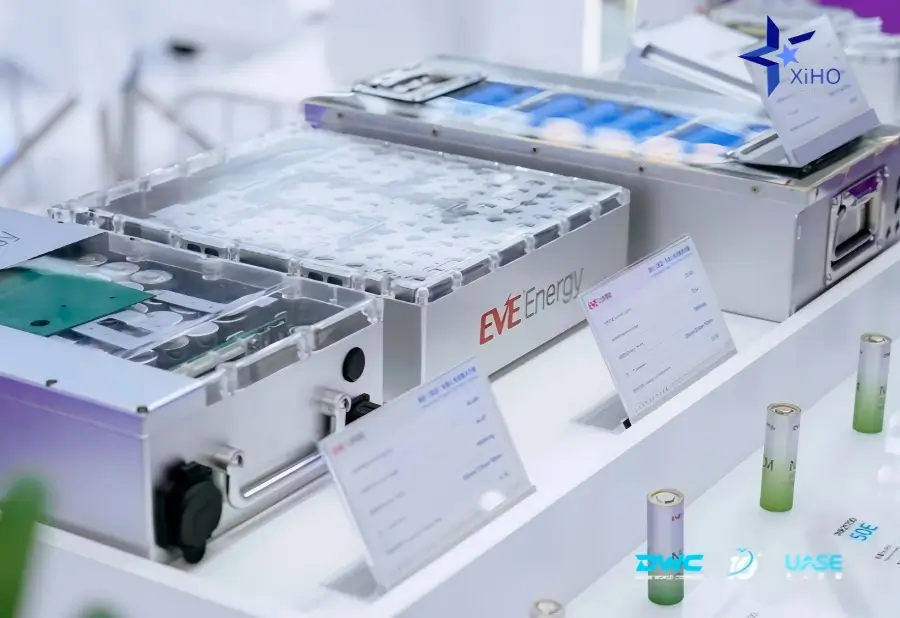 EVE Energy Showcases Energy Solutions at 2026 World UAV Expo
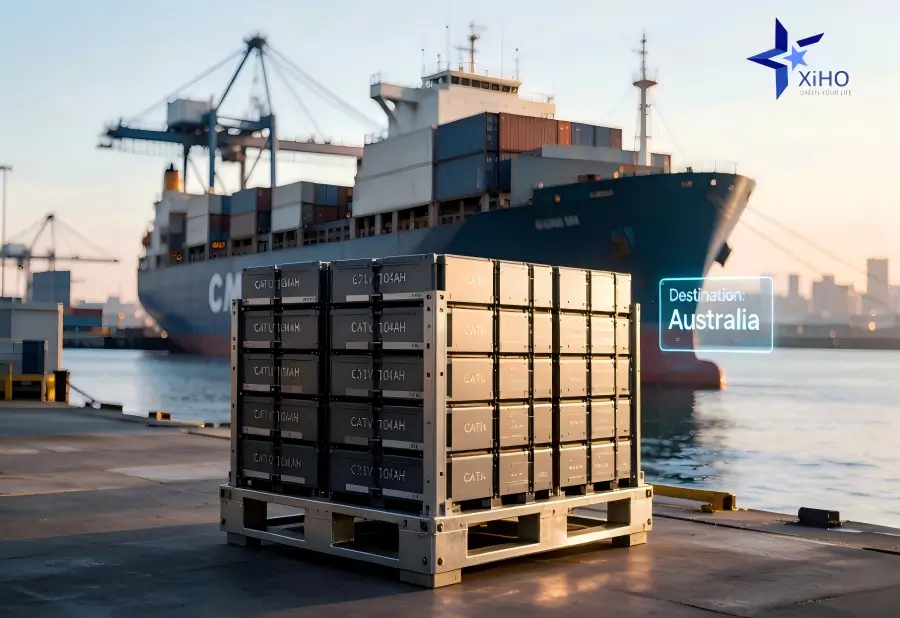 240 pcs of CATL 3.2V 104Ah LiFePo4 batteries to Australia
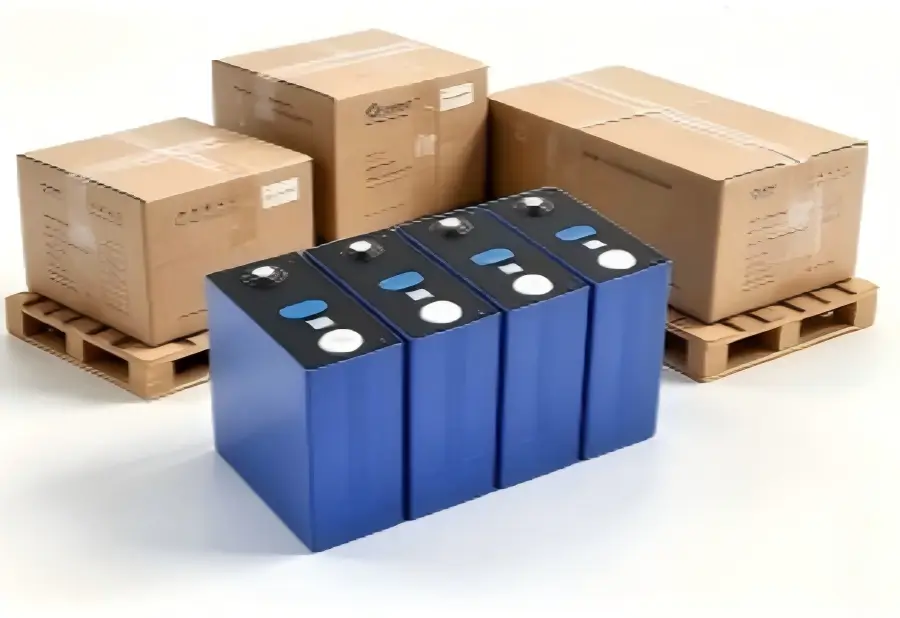 Sodium Ion Battery: The Emerging Energy Storage Solution for Global ESS & EV Projects
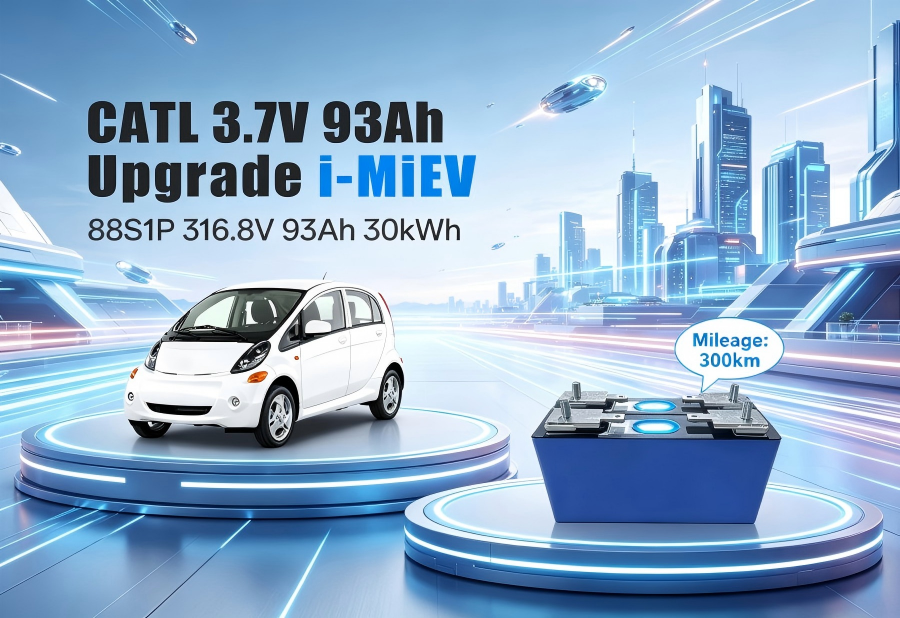 Adapting the i-MiEV Battery Pack for 93Ah NMC Cell Integration
