As the core of modern energy storage, lithium batteries are widely used in mobile phones, electric vehicles and home energy storage systems. However, short circuit problems in lithium batteries can cause thermal runaway, fire and even explosion. According to statistics, internal short circuits and external short circuits account for more than 70% of safety accidents caused by lithium battery failures worldwide each year. This article will analyze the essential differences between the two and provide practical prevention strategies.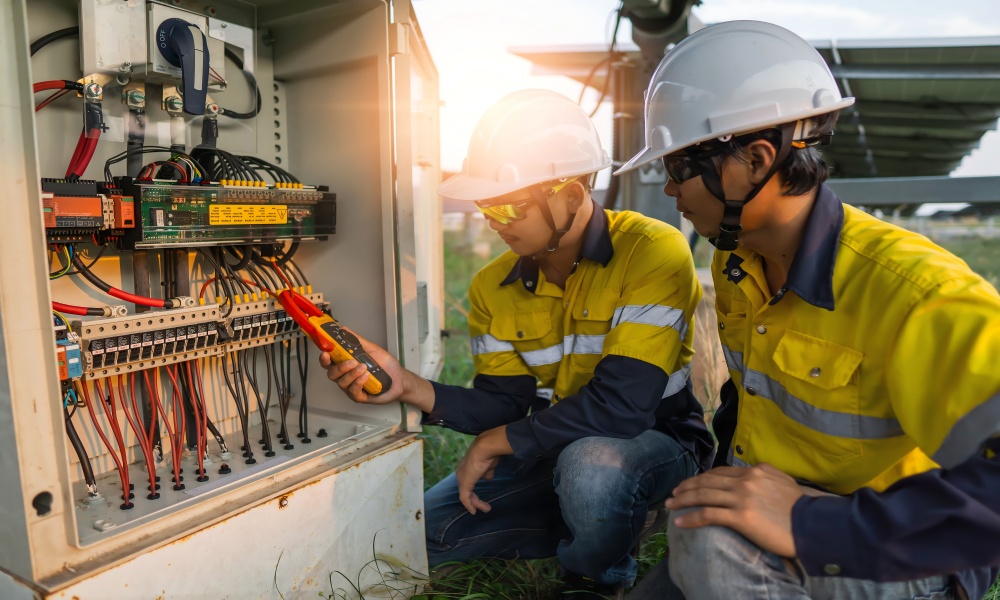
1. Internal short circuit vs. external short circuit: essential difference
(1) Definition and Causes
Internal short circuit: The positive and negative electrodes are directly connected due to the failure of the internal insulation of the battery. Common causes include:
Overcharging causes lithium dendrites to pierce the diaphragm (accounting for 40% of failures);
High temperature causes the diaphragm to melt and shrink (thermal abuse);
Manufacturing defects such as metal impurities mixed into the electrodes.
External short circuit: Caused by an external conductor accidentally connecting the positive and negative electrodes, for example:
Metal tools accidentally touching the electrodes;
Rainwater seeping into the battery compartment of a home energy storage system.
(2)Performance characteristics
Internal short circuit
Initial performance: voltage drops slowly, temperature rises secretly;
Later risk: thermal runaway (combustion/explosion).
External short circuit
Initial performance: instantaneous high current, shell temperature soars to 300℃+;
Later risk: leakage, explosion (occurs within seconds).2. Prevention strategies: from design to daily management
(1) Prevention of internal short circuits
Material optimization: Use lithium iron phosphate batteries (LFP), which have better thermal stability than ternary lithium batteries and can withstand high temperatures of up to 200°C;
BMS intelligent monitoring: Deploy a battery management system (BMS) in the home energy storage system to detect voltage anomalies and micro short circuits in real time;
Avoid abuse: Prohibit overcharging/overdischarging, and use a smart charger to automatically cut off the power.
(2) Prevention of external short circuits
Physical protection:
The battery compartment uses an IP67 waterproof shell to prevent rainwater intrusion;
The electrodes are covered with an insulating protective cover to prevent contact with metal foreign objects.
Scenario control:
During the installation of the solar energy system, stay away from areas with dense conductors;
Regularly clean metal debris around the energy storage equipment.3. Home energy storage system: Why is lithium iron phosphate battery recommended?
(1) Safety advantages:
The crystal structure of LFP batteries is stable, and it is difficult to trigger a chain reaction even if the diaphragm is damaged;
The thermal runaway temperature is as high as 500℃ (ternary lithium is only 200℃), which is more suitable for solar energy systems in high temperature environments.
(2) Supplier reasons:
Prioritize lithium iron phosphate battery suppliers that have passed UL 1642 (battery cells) and UL 2054 (battery packs);
Require suppliers to provide diaphragm self-healing technology (such as ceramic coated diaphragms) to reduce the risk of dendrite penetration.4. Emergency treatment: What should you do if you find signs of short circuit?
(1) Internal short circuit: If the device becomes abnormally hot when idle, immediately disconnect the power and move it to an open area.
(2) External short circuit: Use a dry powder fire extinguisher to cover the battery, and never use water (the electrolyte will react more rapidly when it comes into contact with water).
Lithium batteries are at the core of home energy storage and clean energy transformation, but safety risks cannot be ignored. By understanding the short circuit mechanism, selecting reliable lithium iron phosphate batteries, and strictly following protection specifications, we can maximize the potential of lithium batteries. Choosing compliant lithium iron phosphate battery suppliers will build a safety line of defense for your solar energy system.

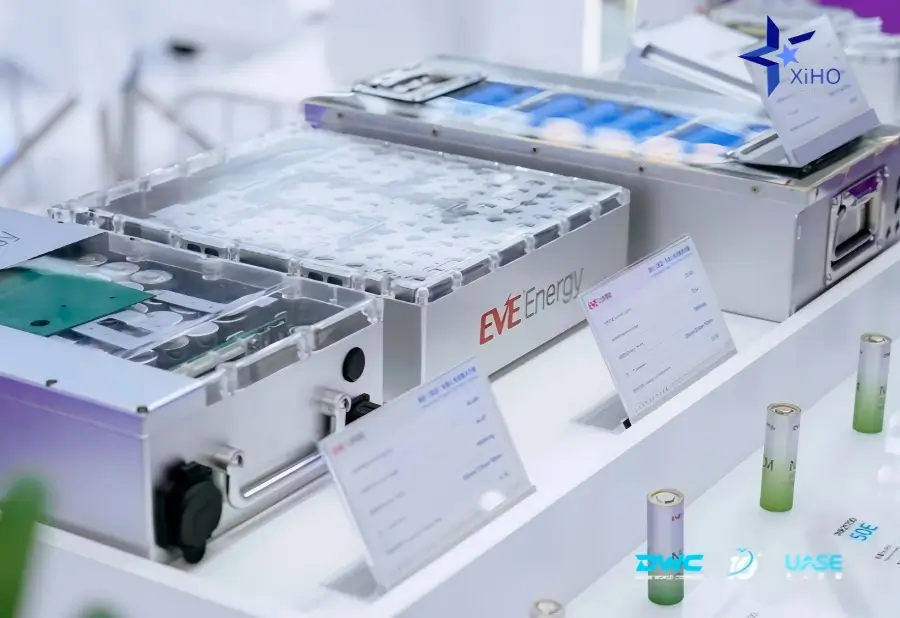 EVE Energy Showcases Energy Solutions at 2026 World UAV Expo
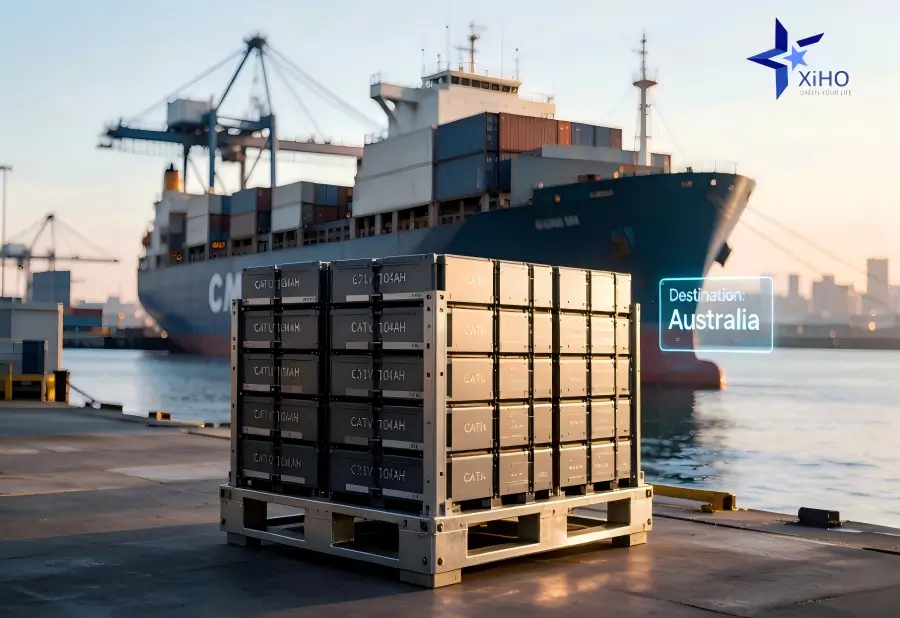 240 pcs of CATL 3.2V 104Ah LiFePo4 batteries to Australia
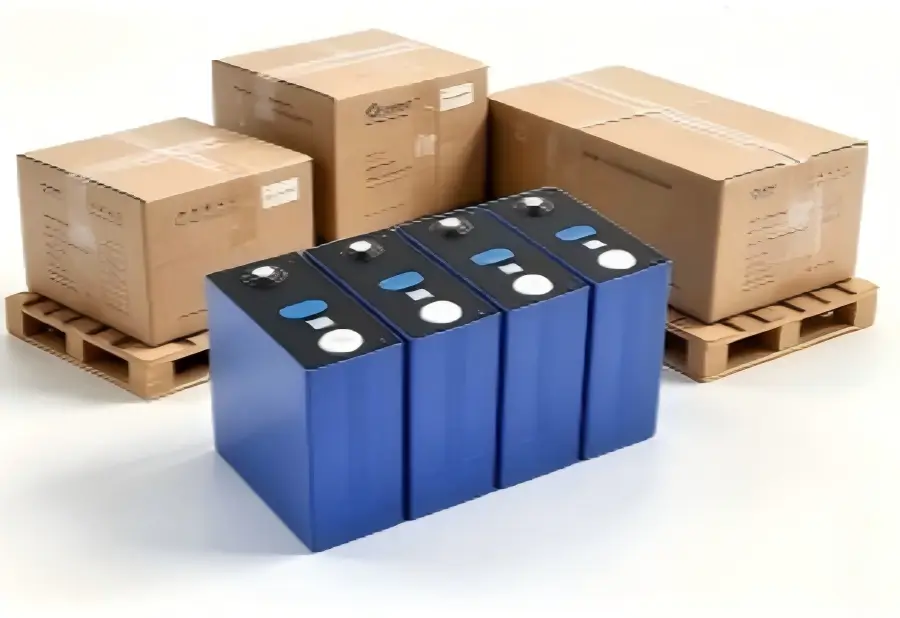 Sodium Ion Battery: The Emerging Energy Storage Solution for Global ESS & EV Projects
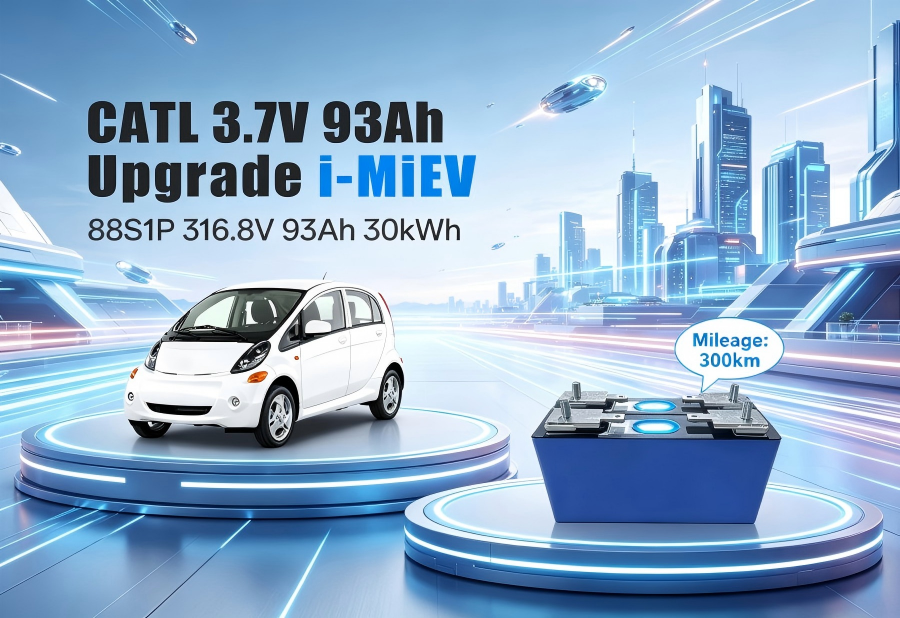 Adapting the i-MiEV Battery Pack for 93Ah NMC Cell Integration
