Lithium iron phosphate battery VS ternary lithium battery
The negative electrode, electrolyte and separator of the two batteries are similar. The biggest difference is the positive electrode material, which is named after it. There are two types of ternary lithium batteries: NCM and NCA. NCA nickel-cobalt-aluminum batteries are mainly used in cylindrical battery series. Most domestic models use NCM nickel-cobalt-manganese batteries. The common expression of ternary is to add a string of numbers after NCM, such as NCM523, NMC622, NCM811, etc., which represents the proportion of nickel, cobalt, and manganese in the battery material. From NCM523 to NCM811, the trend of high nickel, low cobalt or even no cobalt is becoming more and more obvious.
Affected by their structure, lithium iron phosphate (LFP) and ternary lithium batteries have their own advantages and disadvantages in terms of performance. From the cell level, ternary lithium batteries have higher energy density. Ternary NCM batteries can also further increase the actual specific capacity (mAh/g) by increasing the proportion of Ni element, thereby increasing the energy density of the battery core. Lithium iron phosphate batteries have unparalleled advantages in terms of safety. The positive electrode voltage is low, there is no oxygen-releasing thermal chain reaction similar to ternary lithium batteries, and the thermal stability temperature can reach over 300°C, while ternary lithium batteries are under 150 -200℃. In terms of cost, lithium iron phosphate has obvious advantages, and the price of raw materials is relatively cheap.
Simply say, ternary lithium batteries have advantages in energy density and fast charging speed, while lithium iron phosphate batteries have advantages in cycle life, safety, and economy.
BYD “Blade Battery”
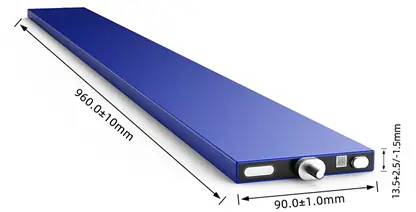
In March 2020, BYD officially released the blade battery, which was first installed on the "Han" model. The so-called "blade battery" is actually BYD's new generation of lithium iron phosphate battery, also known as super lithium iron phosphate battery. It is named "blade battery" mainly because the battery cells are configured like "blade" and inserted into the battery pack. The "blade battery" uses a large battery unit with a length of more than 0.6 meters, which can be directly integrated into the battery pack CTP (Cell to PACK) without modules, thereby achieving the design goal of installing more cells in the same space, greatly improving the efficiency of the battery pack. Battery pack space utilization (more than 50%). In other words, the vehicle's cruising range can be increased by more than 50%, reaching the same level as high-energy-density ternary lithium batteries. In addition, the unit of the "blade battery" has a larger heat dissipation area, making it produce less heat and dissipate heat quickly during a short circuit.
CATL “Kirin Battery”
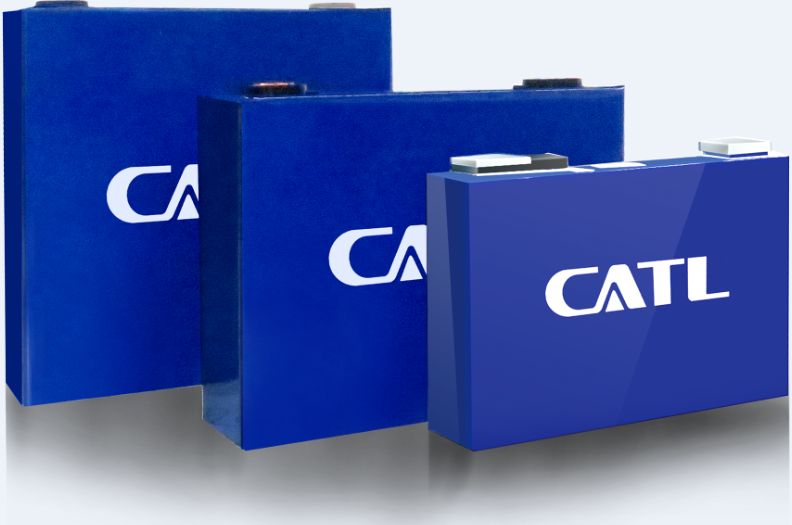
Through continuous technological iteration, CATL has launched the third-generation CTP technology, which is called "Kirin battery" internally. The system weight, energy density and volumetric energy density continue to lead the industry. Data shows that when Kirin batteries use lithium iron phosphate, the system energy density exceeds 160Wh/kg and 290Wh/L; when using a ternary system, the system energy density can reach 250Wh/kg and 450Wh/L. Under the same chemical system and the same battery pack size, the power of the Kirin battery pack can be increased by 13% compared to the 4680 system. It is expected that the "Kirin Battery" will be officially released in the near future.
Tesla model 4680 cylindrical battery
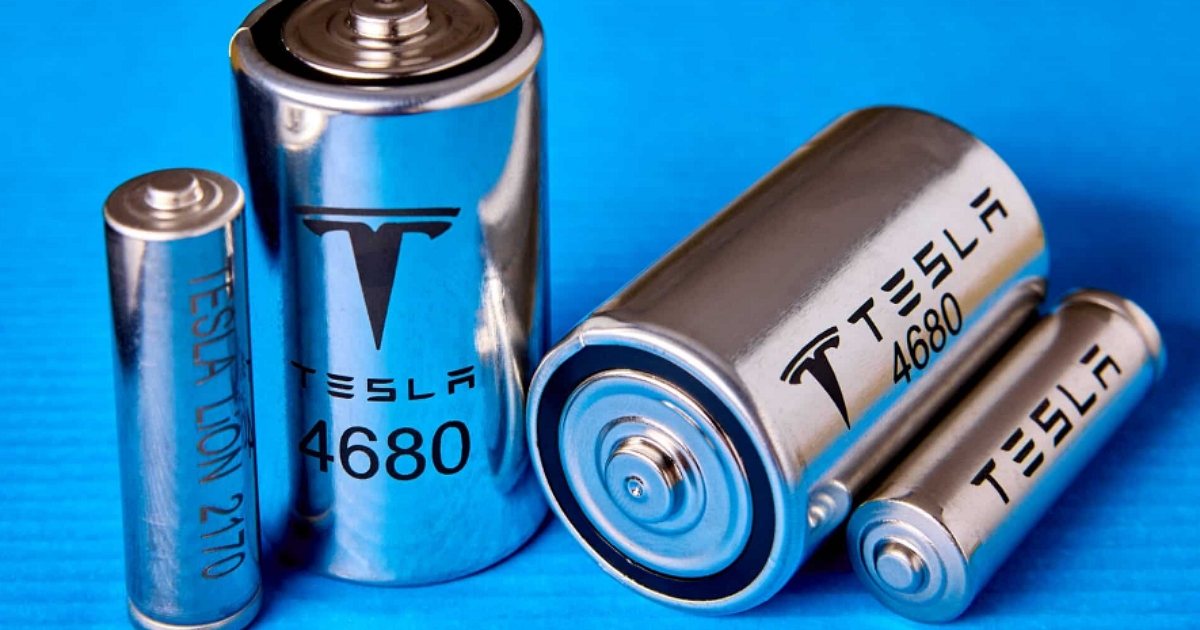
In September 2020, Tesla announced the 4680 (diameter 46 mm, height 80 mm) cylindrical battery technology for the first time. The 4680 battery adopts a tabless design inside, and the effective contact area between the electrode conductive coating and the battery end cover can reach 100%, which greatly improves the heat dissipation capacity. In addition, the 4680 battery also adopts the "CTC (Cell to Chassis, chassis battery)" battery pack design, which eliminates the internal modules and is directly composed of batteries, which brings higher space utilization and improves the energy density of the entire battery pack. . Compared with the 2170 (diameter 21 mm, height 70 mm) battery currently used in Model 3/Y, the 4680 battery cell capacity has been increased by 5 times, the power capacity has been increased by 6 times, and the number of cells in the battery pack has increased from 4,400 Reduced to 960, the cost is reduced by 14%, and the vehicle's cruising range is increased by 16%.
Prismatic VS Pouch VS Cylindrical Battery
Lithium batteries are classified according to packaging form and can be divided into cylindrical batteries, prismatic batteries and pouch batteries.
The advantages of cylindrical batteries include good monomer consistency; small monomer energy, making the situation easy to control when an accident occurs; mature technology and low cost. Because the capacity of a single battery is small, capacity needs can only be met by significantly increasing the number of cells, and the requirements for the BMS battery management system are also high.
Compared with cylindrical batteries, prismatic batteries have higher space utilization, larger cell capacity, and higher energy density; fewer cells, relatively simple BMS system configuration, and relatively good stability; high degree of freedom in size customization and product model Too many, resulting in inconsistent manufacturing processes.
The casing of the pouch cells is made of aluminum plastic film, which is lighter in weight than square and cylindrical batteries with aluminum casings. With the same capacity, the weight of pouch cells is 20% lighter. In the event of a potential safety hazard, the pouch cells will only bulge and crack at most, which is not safe.
At present, the power battery market has formed a situation where the three types of batteries are divided into three types: prismatic/blade, pouch, and cylinder. Each of the three types of batteries has its own advantages and disadvantages. But in terms of cell energy density, pouch cells have the highest energy density, followed by prismatic batteries and cylindrical batteries the smallest. Prismatic batteries are currently the most widely used batteries in the field of lithium batteries. Domestic and foreign car companies such as BYD, Geely, NIO, Audi, and BMW all use prismatic batteries. The representative product is the NCM811 battery of CATL. Pouch cells are increasingly used in the automotive market and are adopted by Daimler, GAC and other car companies. The main domestic supplier is Farasis Technology. Cylindrical batteries account for about 10% of the domestic market and 23% of the global market, which is significantly lower than prismatic and soft-pack batteries. With the launch of Tesla's 4680 battery, cylindrical batteries have gained momentum. BAK Battery predicts that by 2025, large cylindrical batteries will occupy at least 30% of the market share. Currently, many large-scale new energy vehicle companies have decided that in the next 5-10 years, economical models will use square case/blade lithium iron phosphate batteries, and mid-to-high-end models will use a "ternary + silicon large cylindrical battery" layout.

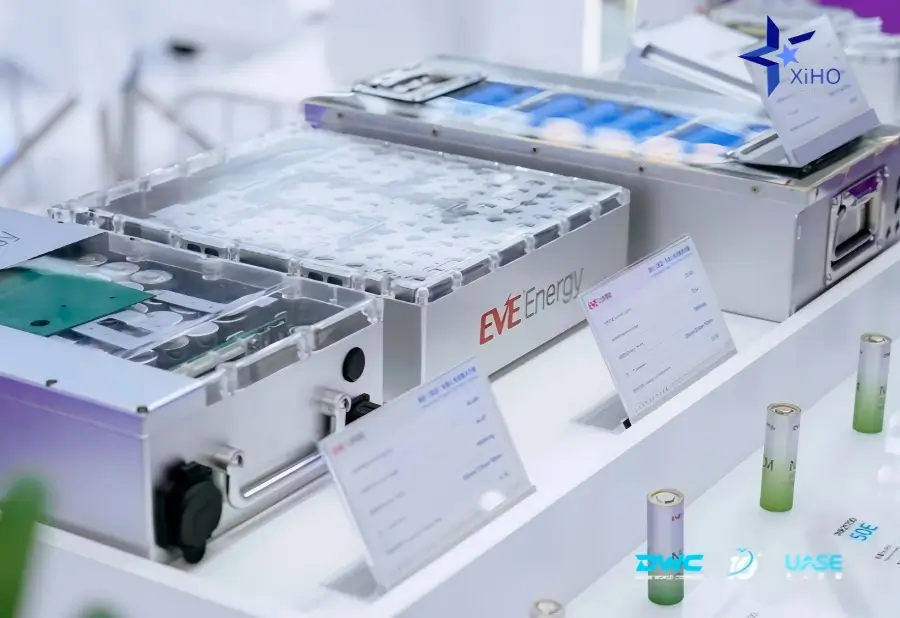 EVE Energy Showcases Energy Solutions at 2026 World UAV Expo
 240 pcs of CATL 3.2V 104Ah LiFePo4 batteries to Australia
 Sodium Ion Battery: The Emerging Energy Storage Solution for Global ESS & EV Projects
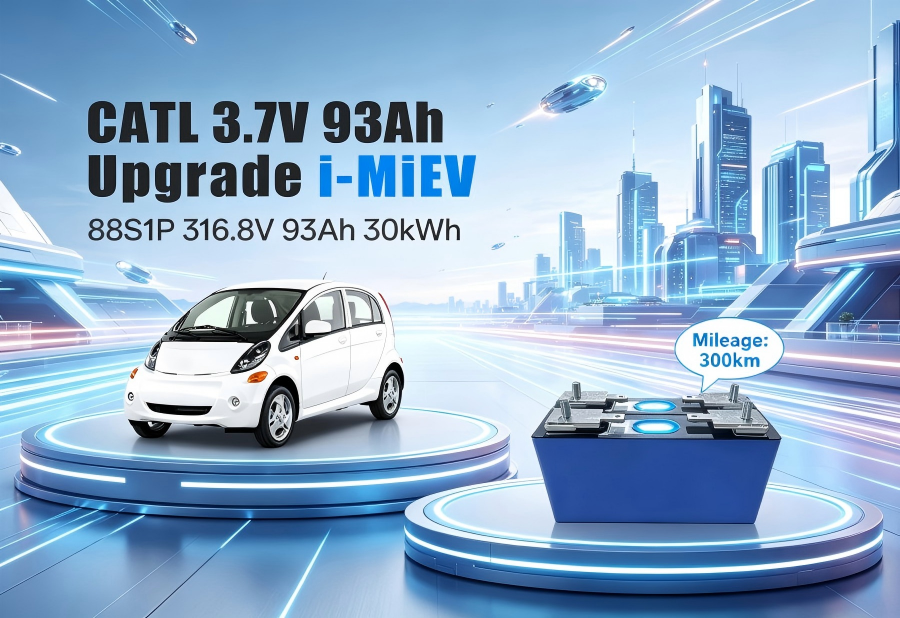 Adapting the i-MiEV Battery Pack for 93Ah NMC Cell Integration
