Solid-state batteries are becoming the focus of the new energy field with their revolutionary design of replacing liquid electrolytes with solid electrolytes. They not only completely eliminate safety hazards such as thermal runaway and electrolyte leakage, but also increase energy density to a theoretical value of over 500Wh/kg and cycle life of over 2,000 times, injecting new momentum into the upgrade of energy storage systems and the development of new energy vehicles. Next, we will conduct an in-depth comparison of the three major technical routes of solid-state batteries.
1. Sulfide electrolytes: Performance leaders, accelerated mass production
Sulfide electrolytes are the best in the industry with their ionic conductivity (10⁻³ S/cm at room temperature), suitable for all-solid-state systems, and theoretical energy density close to 500Wh/kg. CATL has developed a 500Wh/kg-level 20Ah sample, and Gotion High-Tech has achieved road testing of all-solid-state batteries. However, its air sensitivity and high cost are still bottlenecks. Industry innovator Ruigu New Materials launched the N series of water-soluble sulfide electrolytes, which reduces production costs through a composite system and promotes the industrialization process.
Energy storage system application: The high energy density of sulfide batteries can significantly improve the power output capacity of grid-level energy storage projects, especially for the stable power supply requirements in extreme environments.
2. Oxide electrolyte: King of stability, cost advantage is prominent
Oxide electrolyte represented by LLZO has become an ideal partner for high-voltage positive electrode materials with its thermal stability above 600℃. Tantalum doping technology increases its ion conductivity to 10⁻³ S/cm, reduces the sintering temperature to 900℃, and the material density reaches 96.8%. Ganfeng Lithium plans to produce 36GWh of capacity, and Tailan New Energy cooperates with Changan Automobile to achieve mass production of semi-solid batteries.
Energy storage system adaptability: The battery equipped with tantalum-doped LLZO has a capacity retention rate of 85% at a low temperature of -20℃, and only decays by 12% after 500 cycles, which is perfectly suitable for long-term energy storage scenarios such as grid peak regulation.
3. Polymer electrolytes: Pioneers in flexible scenarios, breaking through consumer electronics
Polymer electrolytes are known for their strong processability and low cost, and have been used in fields such as drones and wearable devices. Although the CNC-PAN composite material developed by Qingdao University of Science and Technology has a low room temperature conductivity (needs to work above 60°C), its tensile strength reaches 9.5MPa. ProLogium's fourth-generation lithium ceramic battery (LCB) provides a safer choice for consumer electronics with a volume energy density of 749Wh/L.
Technical limitations: Low room temperature conductivity and energy density ceiling (≤300Wh/kg) limit its large-scale application in energy storage systems.The high safety and long life of all-solid-state batteries will promote the implementation of new energy models such as photovoltaic and energy storage integration and virtual power plants. From CATL's 500Wh/kg sample to Ruigu New Materials' thousand-ton production line, China is building a new order for the energy storage industry through technological iteration.
welcome to contact us:
Email: info@xihobattery.com
Website: www.xihobattery.com
Wechat/WhatsApp/Mobile: +86 13332949210

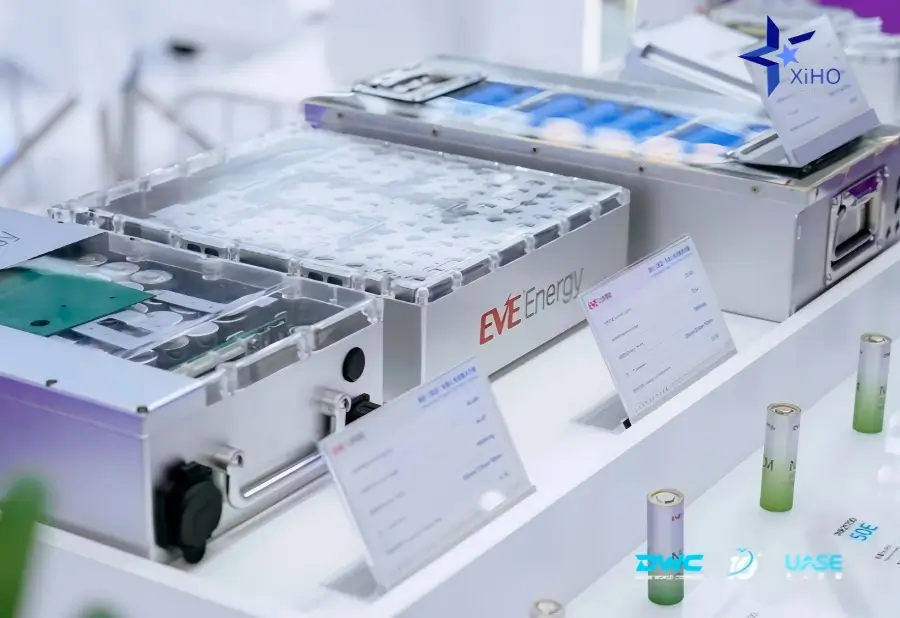 EVE Energy Showcases Energy Solutions at 2026 World UAV Expo
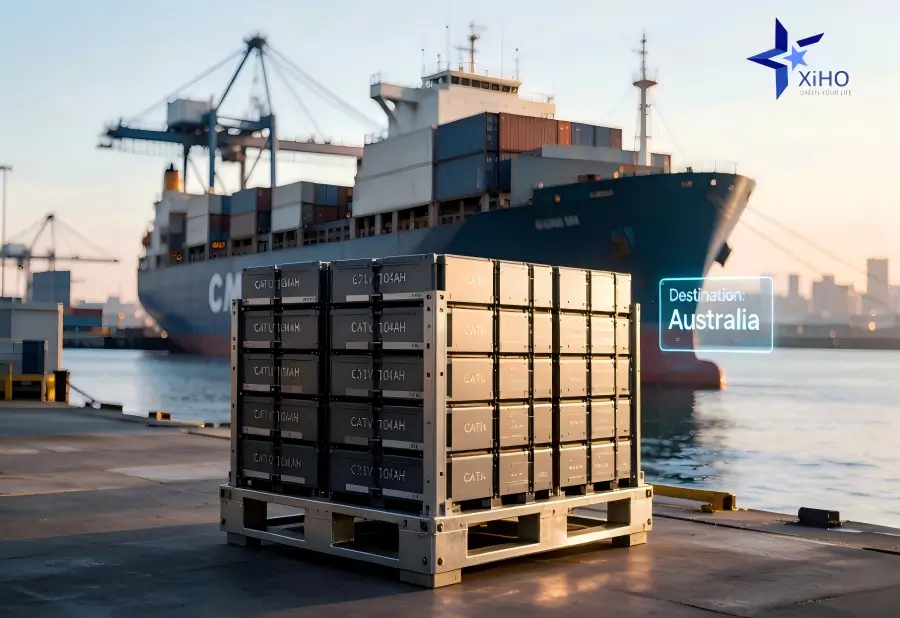 240 pcs of CATL 3.2V 104Ah LiFePo4 batteries to Australia
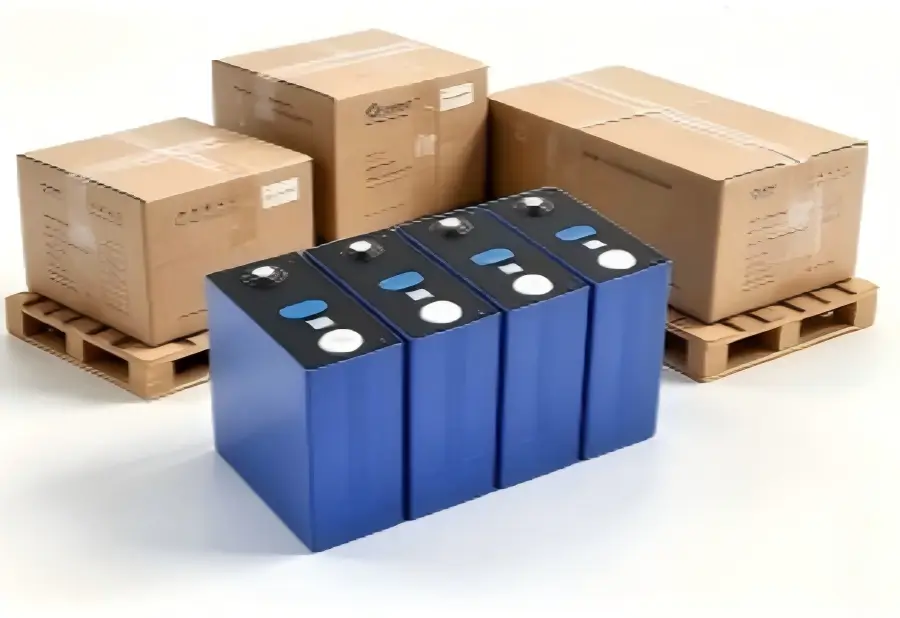 Sodium Ion Battery: The Emerging Energy Storage Solution for Global ESS & EV Projects
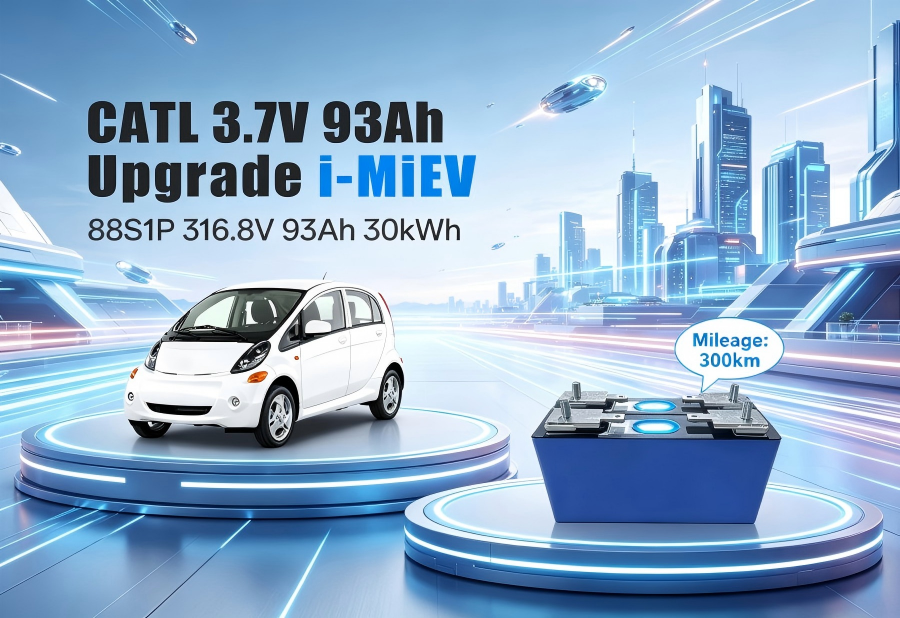 Adapting the i-MiEV Battery Pack for 93Ah NMC Cell Integration
