The corresponding relationship and naming logic of the cathode, anode, positive electrode and negative electrode in lithium batteries are as follows: 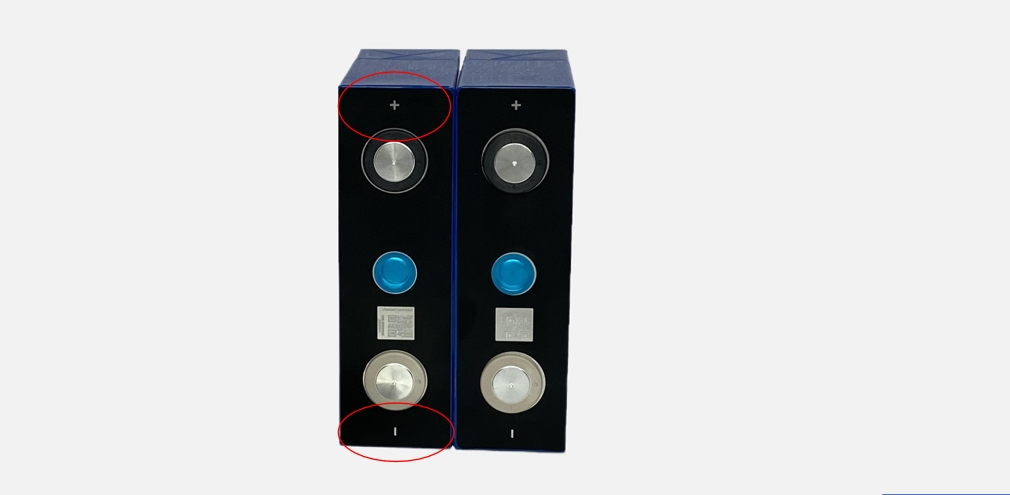 1. Correspondence
(1)When discharging (the battery works as a power source):
Positive electrode = cathode (reduction reaction occurs, electrons are gained).
Negative electrode = anode (oxidation reaction occurs, electrons are lost).
(2)When charging (the battery is charged as an electrolytic cell):
Positive electrode = anode (oxidation reaction occurs, electrons are lost).
Negative electrode = cathode (reduction reaction occurs, electrons are gained).
2. Naming logic
(1) The basis for the division of positive and negative electrodes
Potential difference: The positive electrode is the electrode with higher potential (the end where current flows out), and the negative electrode is the electrode with lower potential (the end where current flows in).
Current direction: In an external circuit, the current flows from the positive electrode to the negative electrode.
(2) The division of positive and negative electrodes
Based on the reaction type:
Cathode: Reduction reaction occurs (gaining electrons).
Anode: Oxidation reaction occurs (losing electrons).
Electrochemical definition: Proposed by Faraday, it is bound to the direction of the reaction and has nothing to do with the direction of the current.
(3) Naming contradictions and coordination standards (such as GB/T 2900.41): cathode/anode is defined by reaction type, positive/negative electrode is defined by potential.
(4) Historical habits: In the discharge scenario (galvanic cell mode), the positive and negative electrodes coincide with the cathode and anode, so the positive electrode is traditionally called the cathode and the negative electrode is called the anode; but they need to be clearly distinguished during charging.
(5) Practical application: To avoid confusion, the lithium battery field usually names the positive and negative electrodes based on the discharge state, but the concepts of cathode and anode need to be combined during the dynamic process of charging and discharging.
The naming system of lithium battery electrodes combines the nature of electrochemical reactions (cathode and cathode) with the need to describe circuits (positive and negative electrodes). The two overlap during discharge and swap roles during charging. This dual definition not only ensures the rigor of electrochemical theory, but also meets the need for describing the direction of current in engineering.

 EVE Energy Showcases Energy Solutions at 2026 World UAV Expo
 240 pcs of CATL 3.2V 104Ah LiFePo4 batteries to Australia
 Sodium Ion Battery: The Emerging Energy Storage Solution for Global ESS & EV Projects

